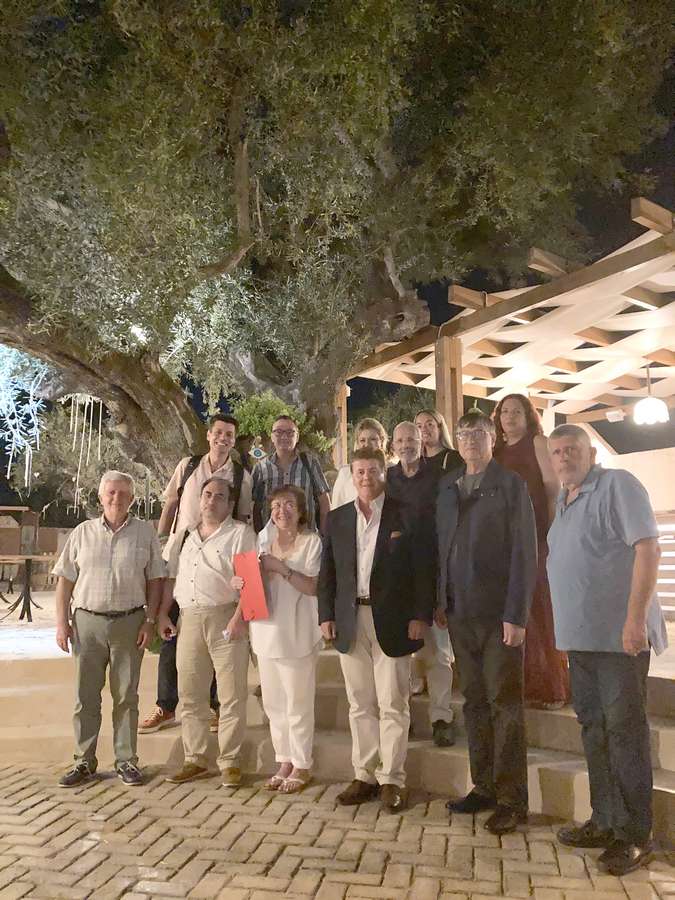
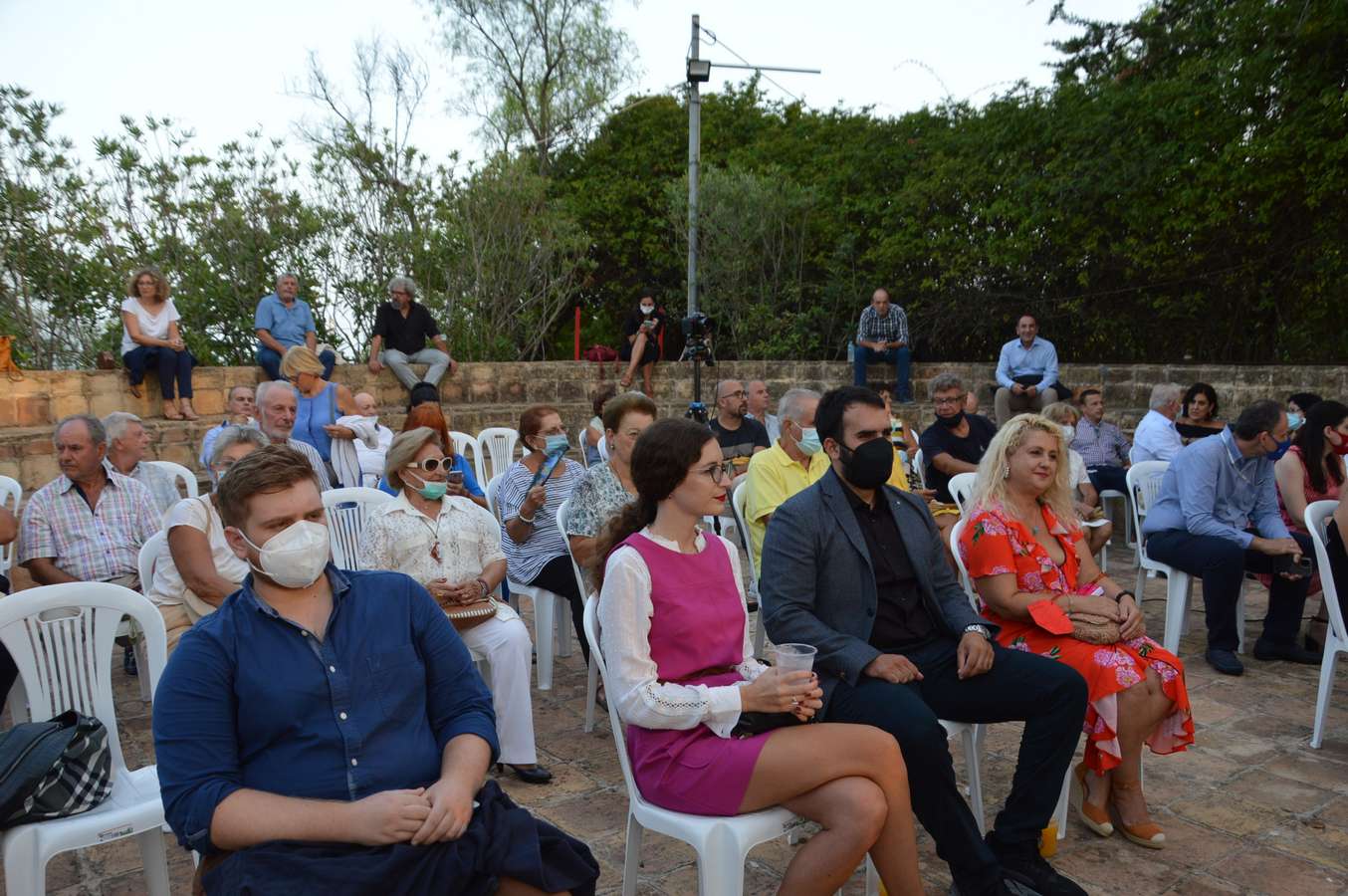
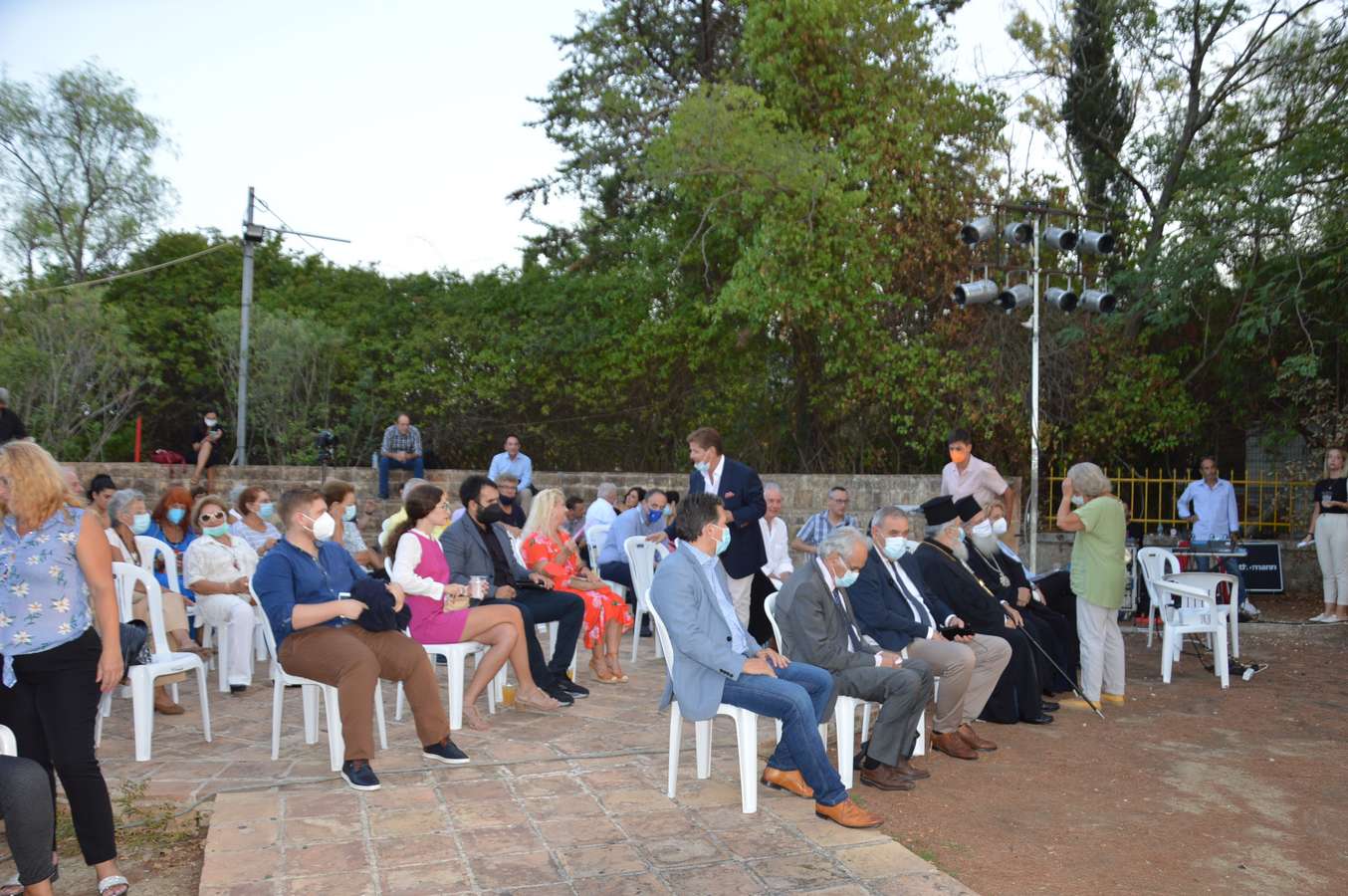
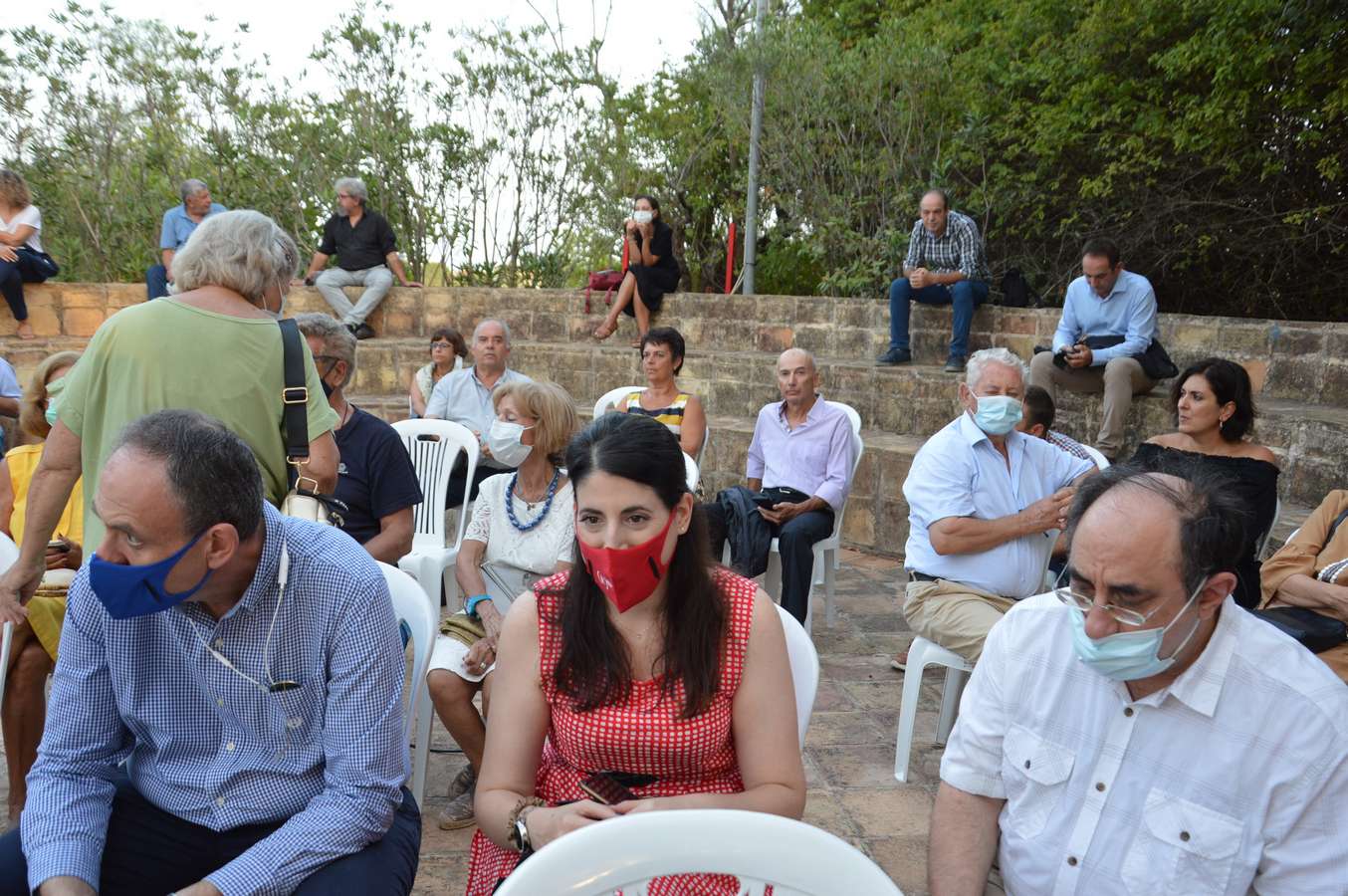
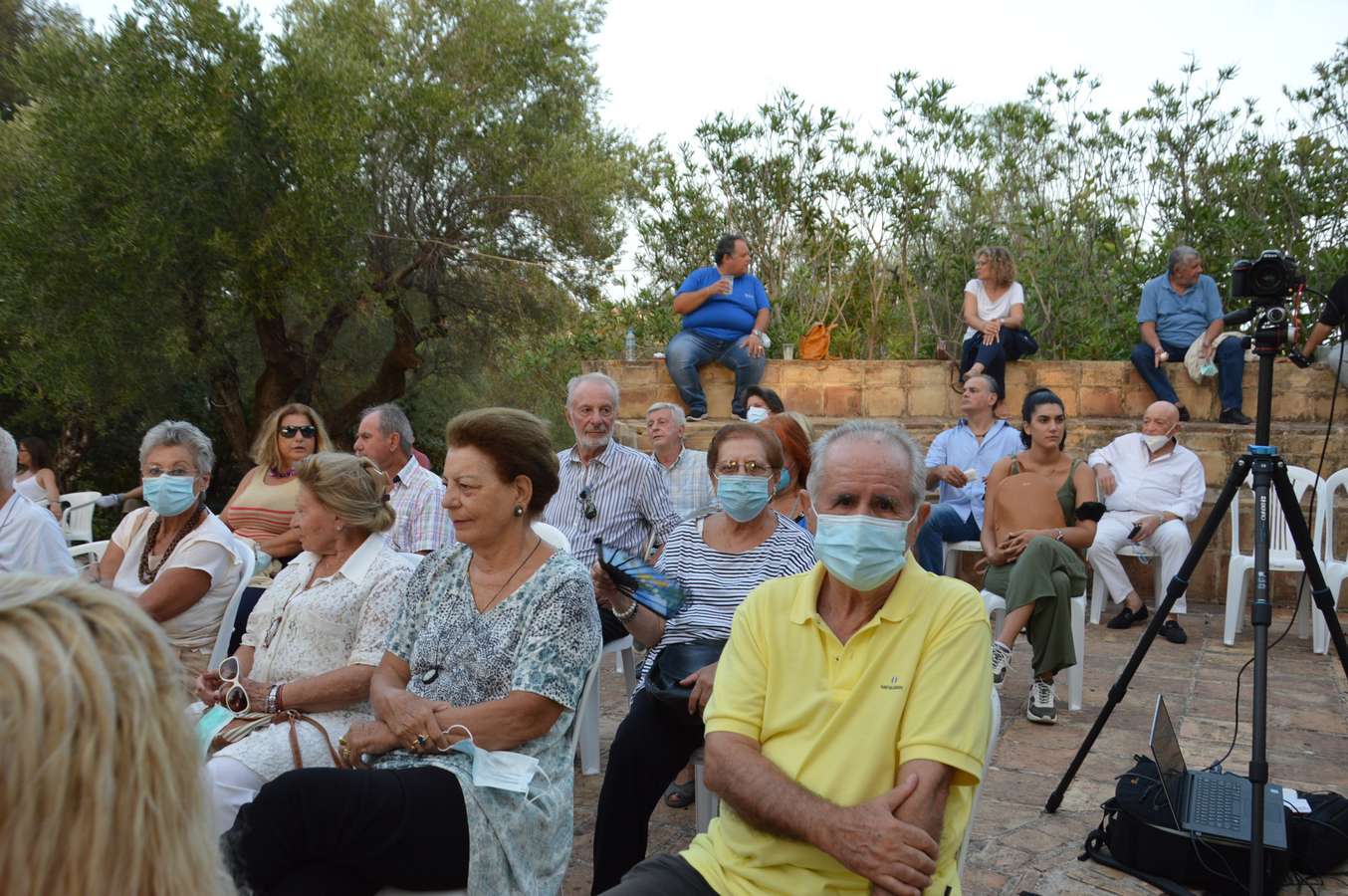
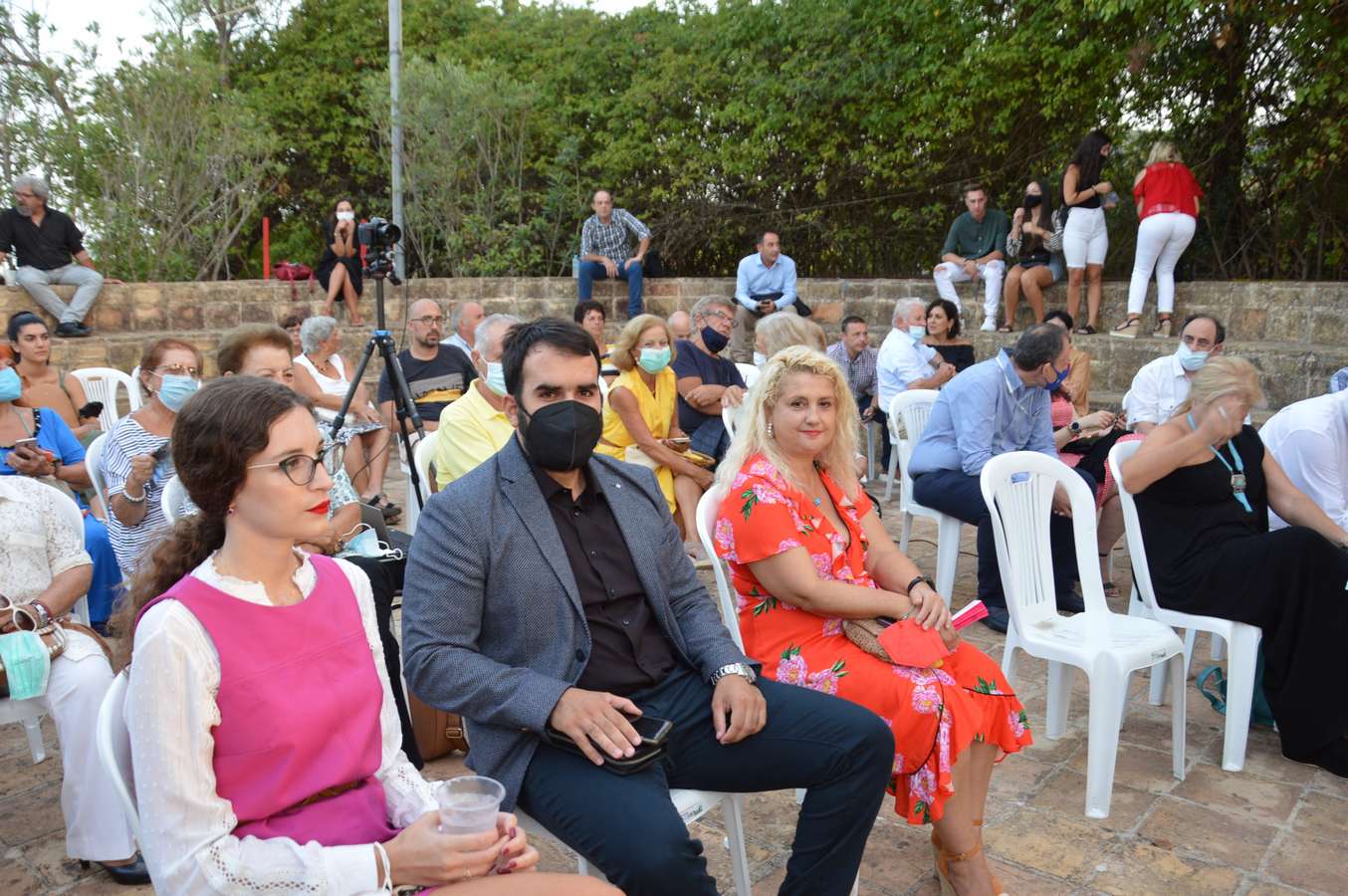
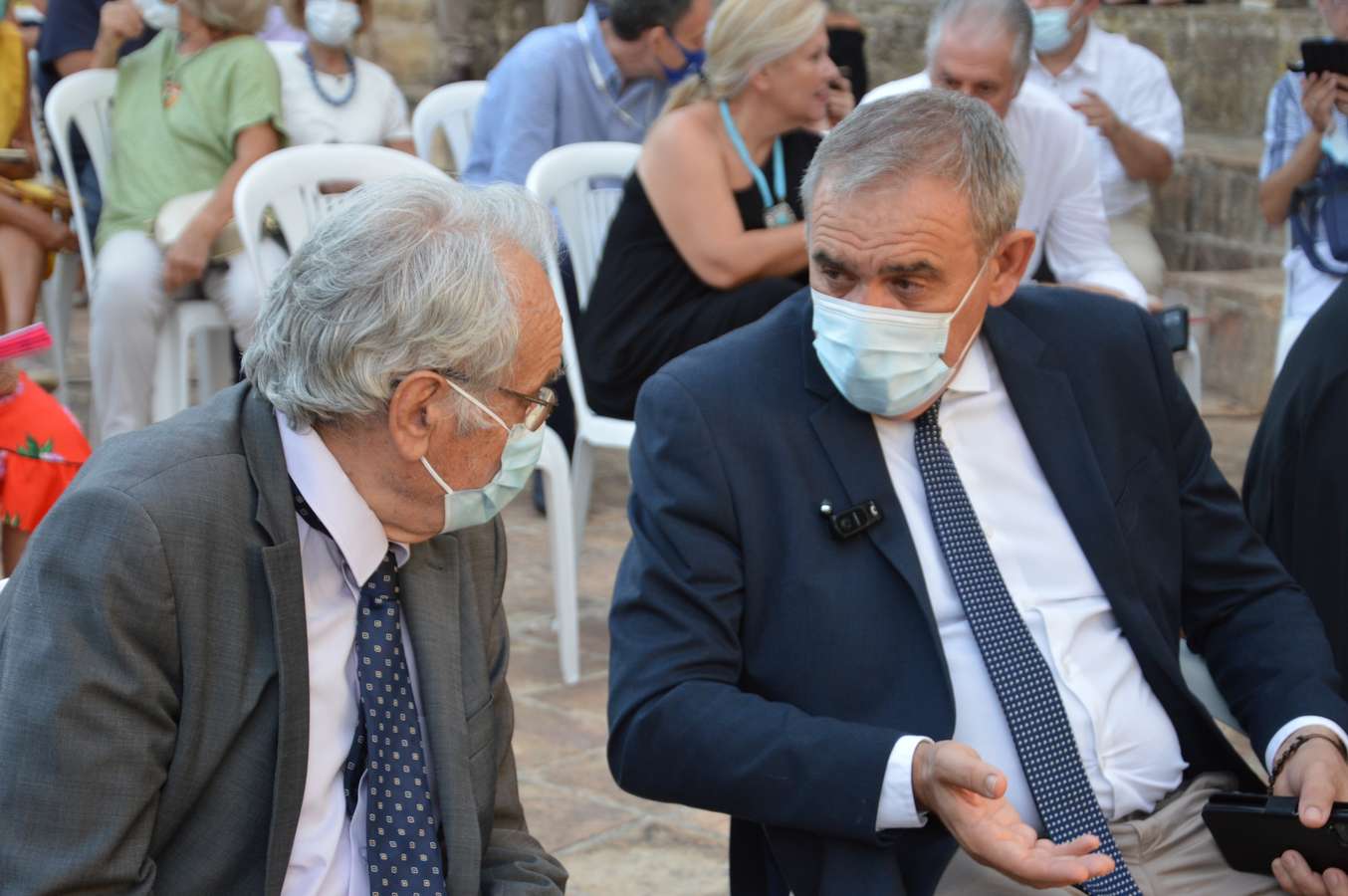
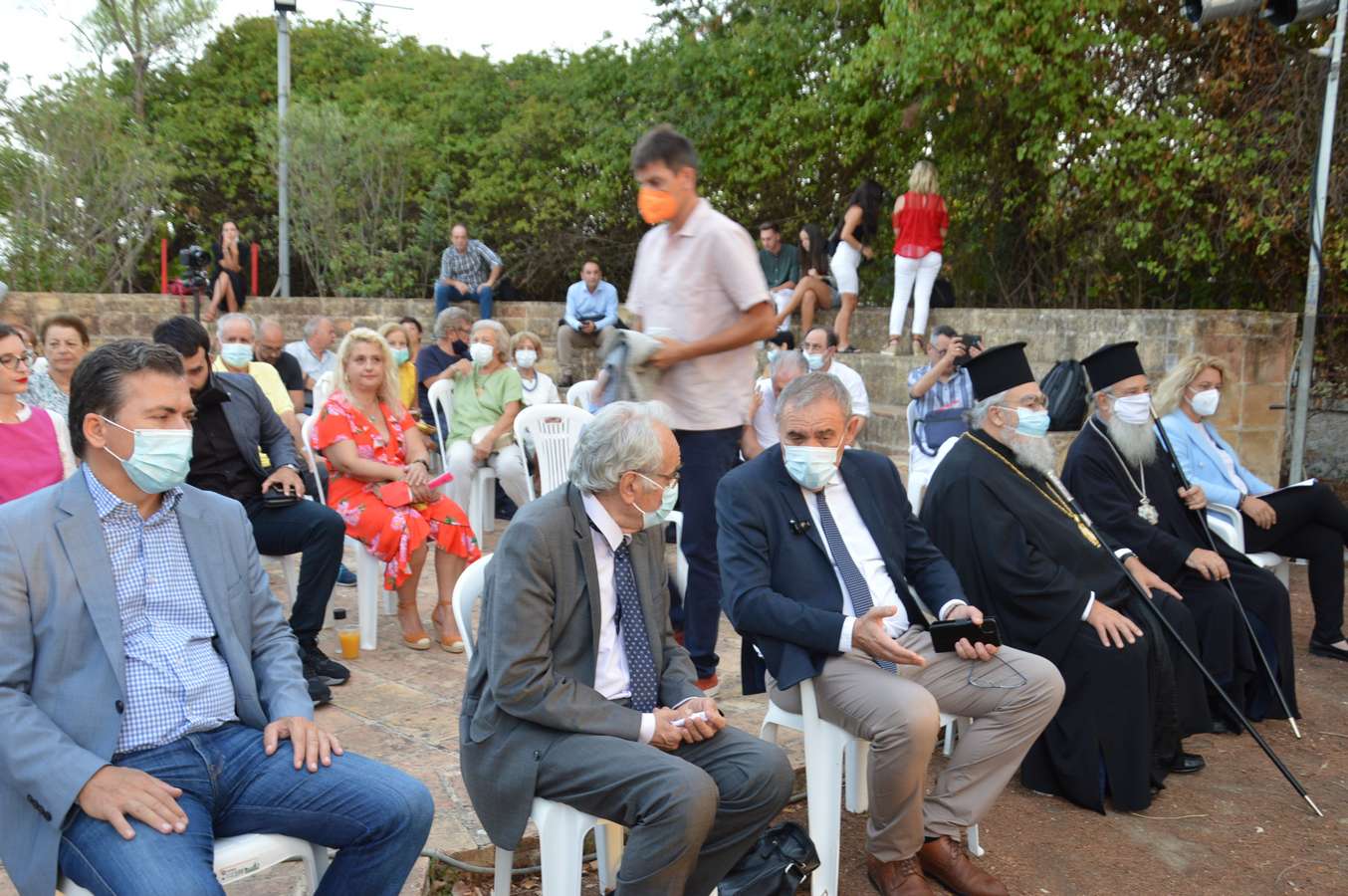
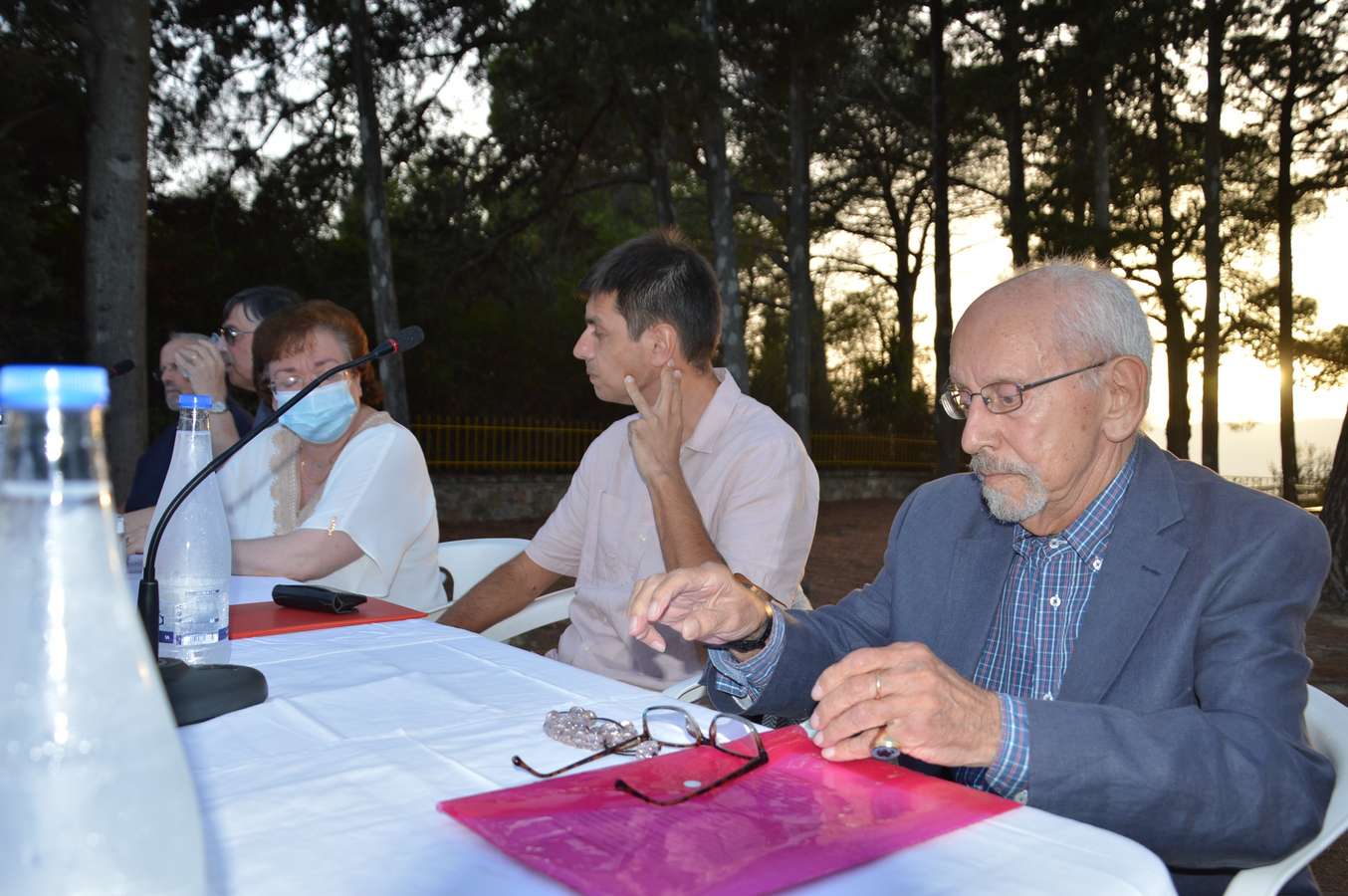
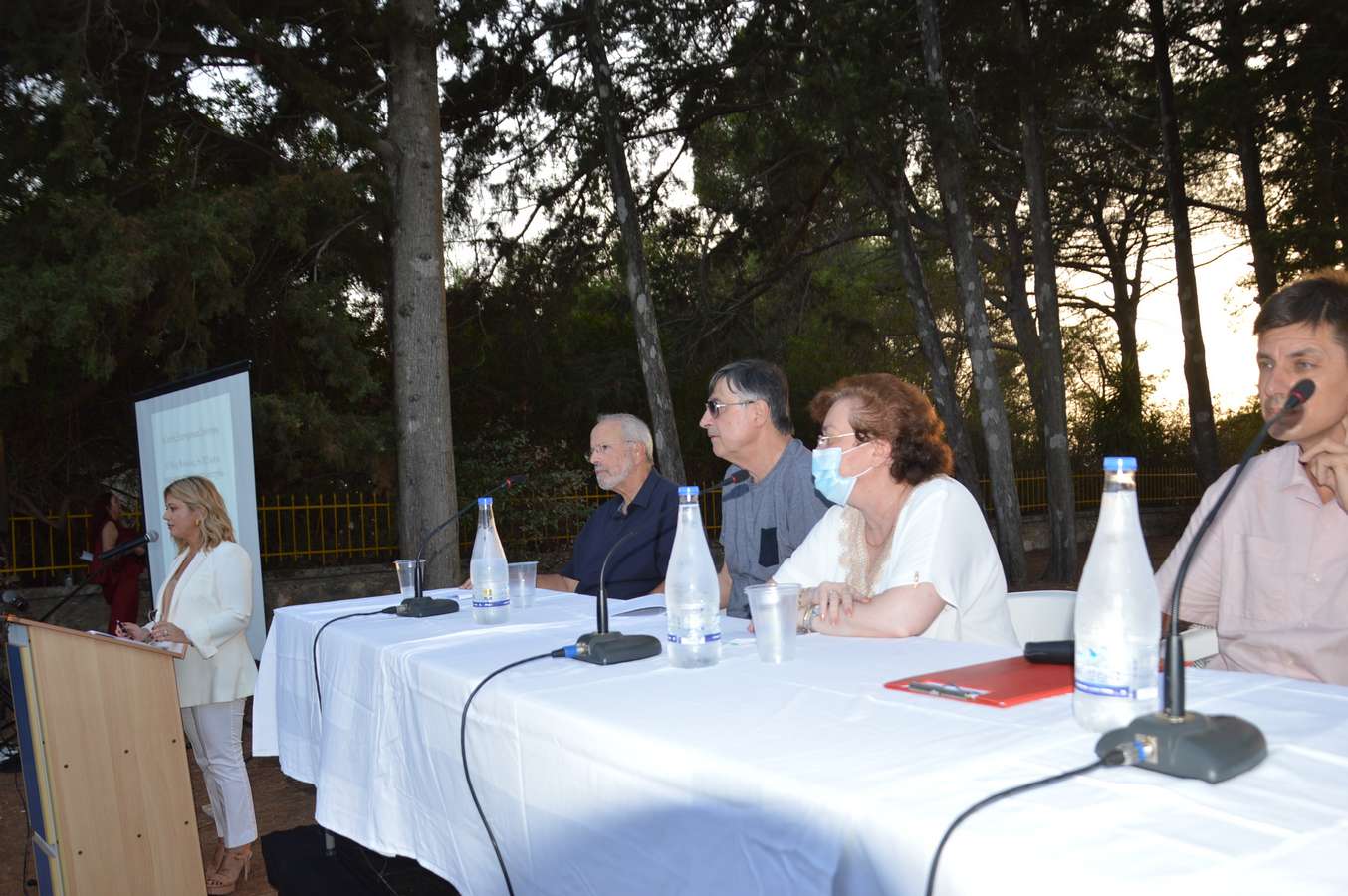
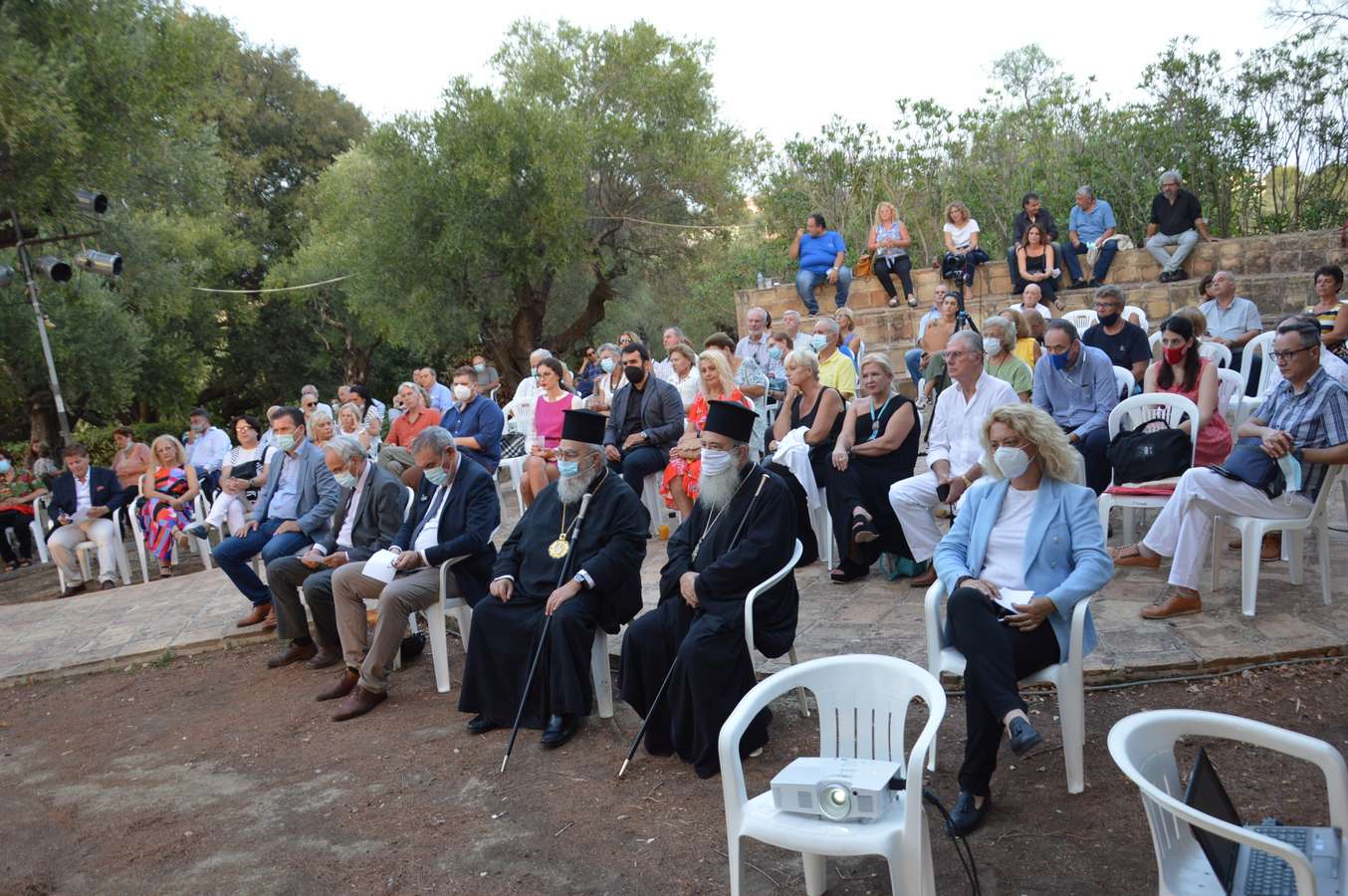
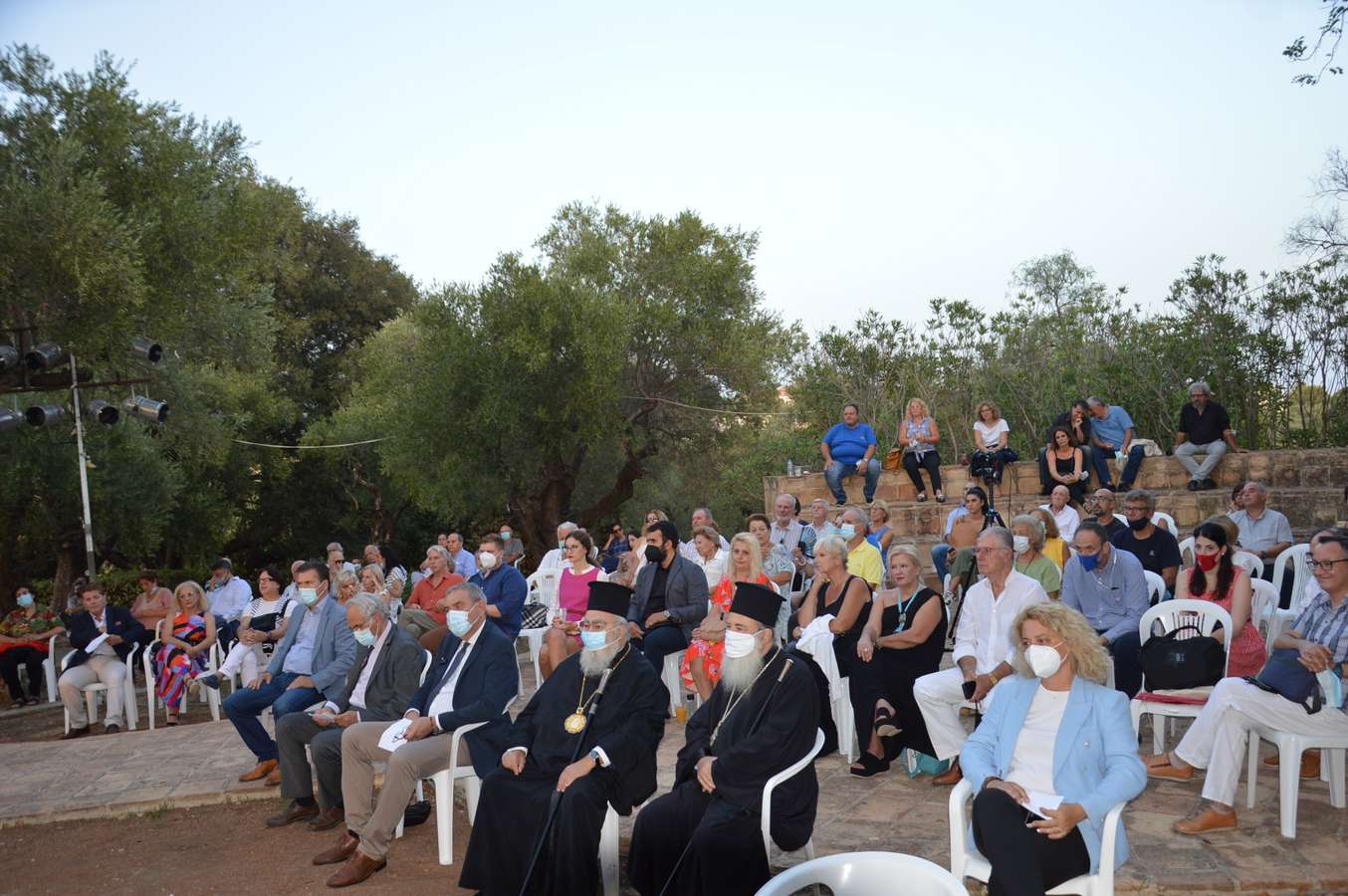
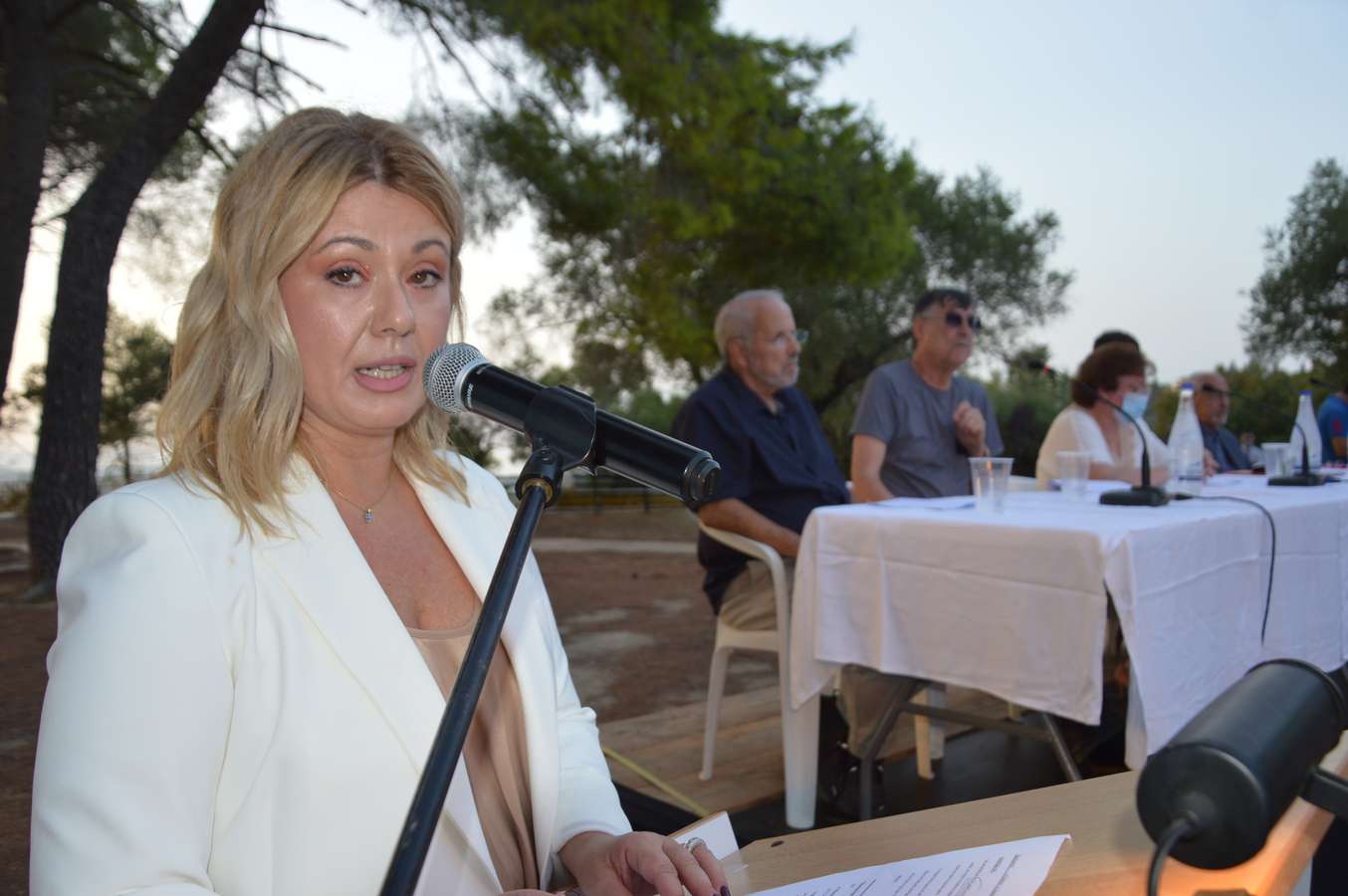
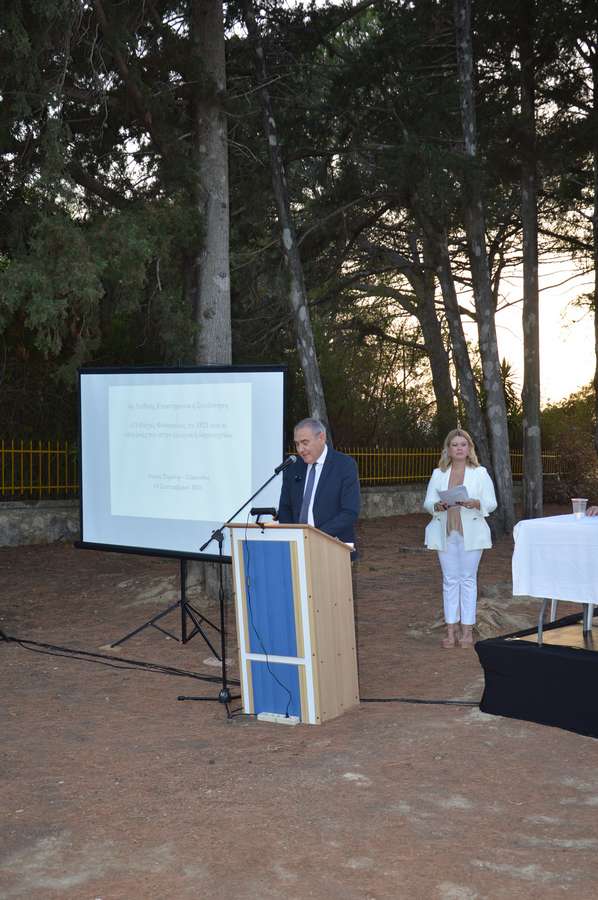
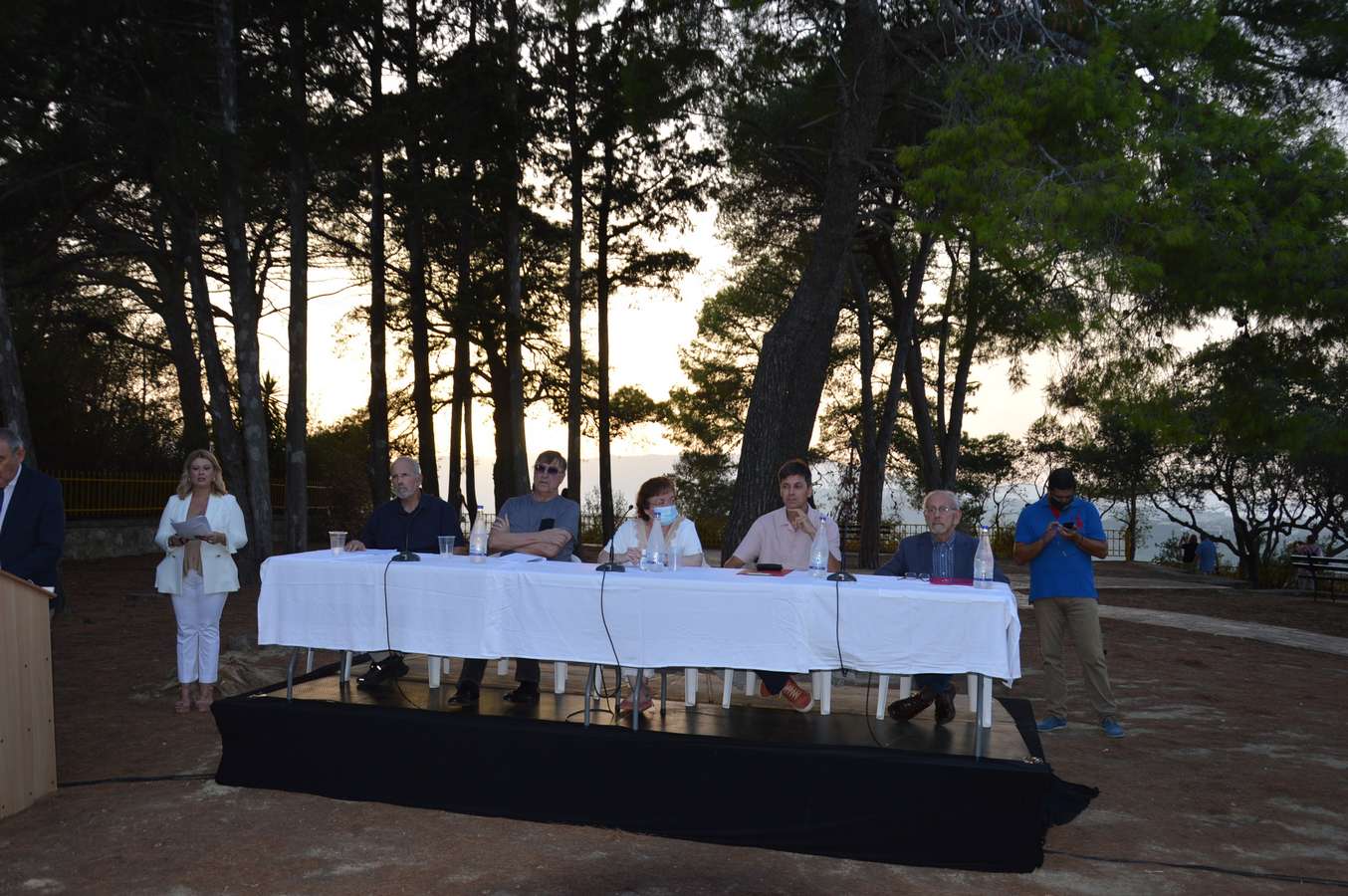
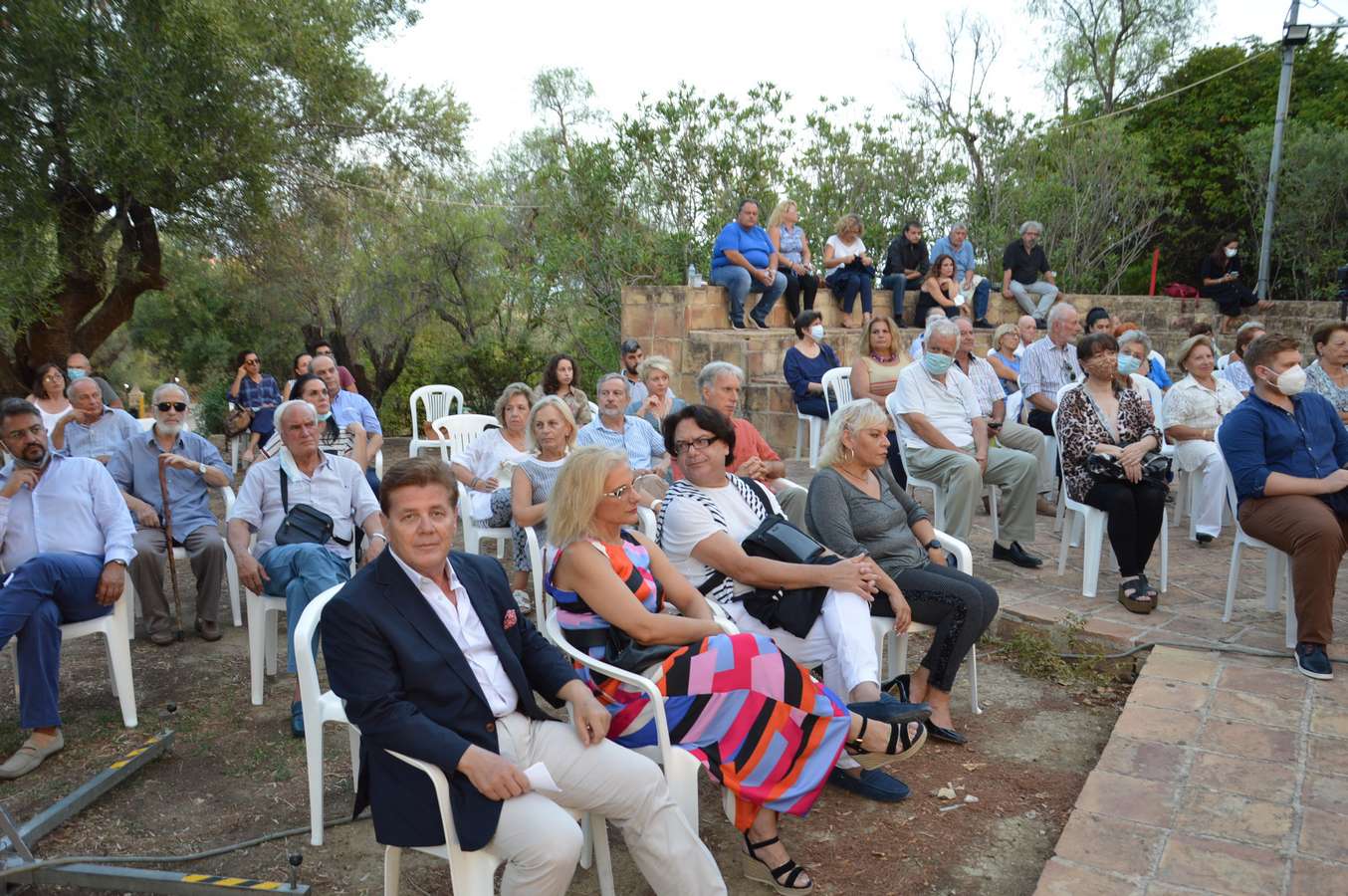
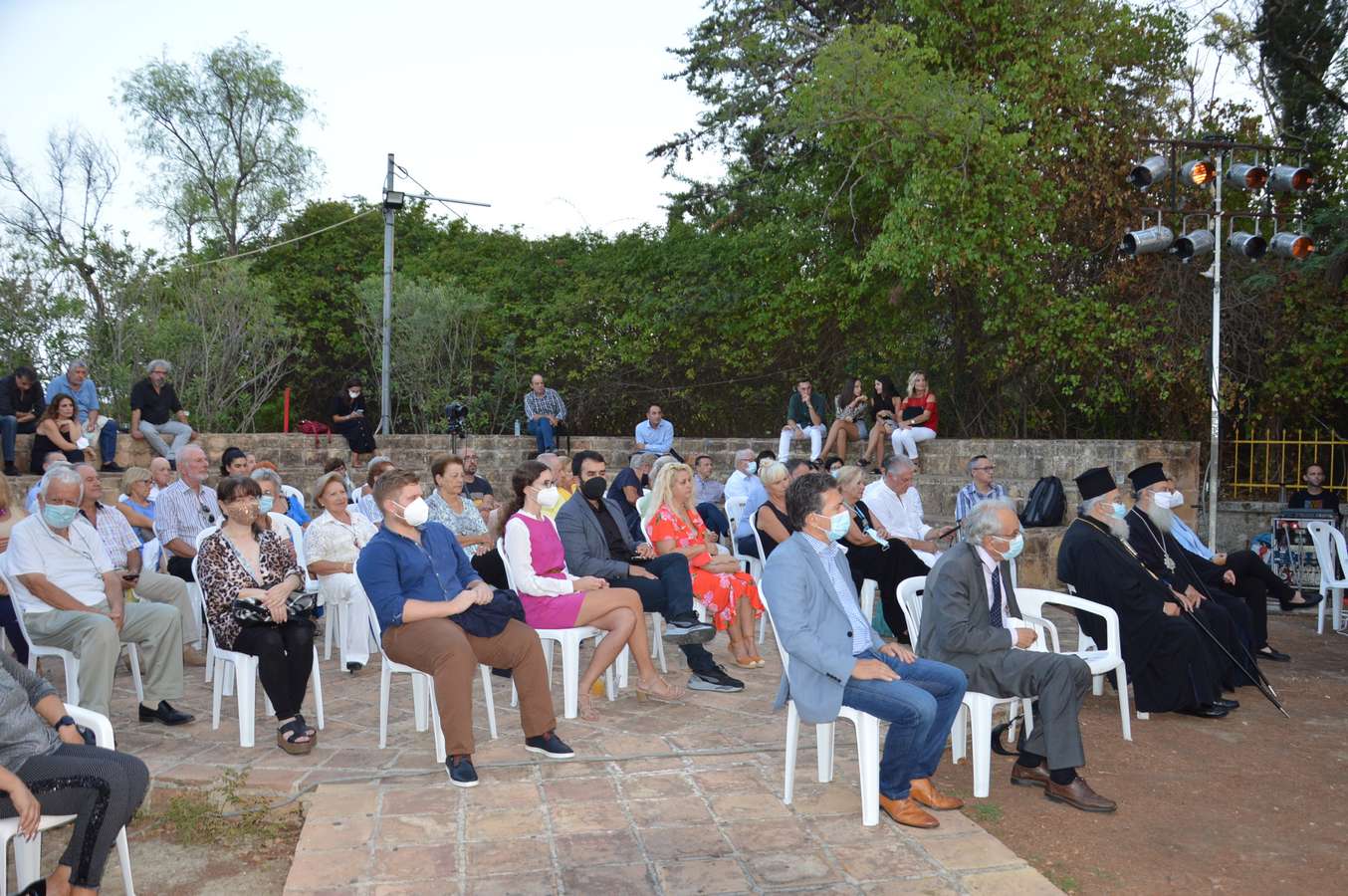
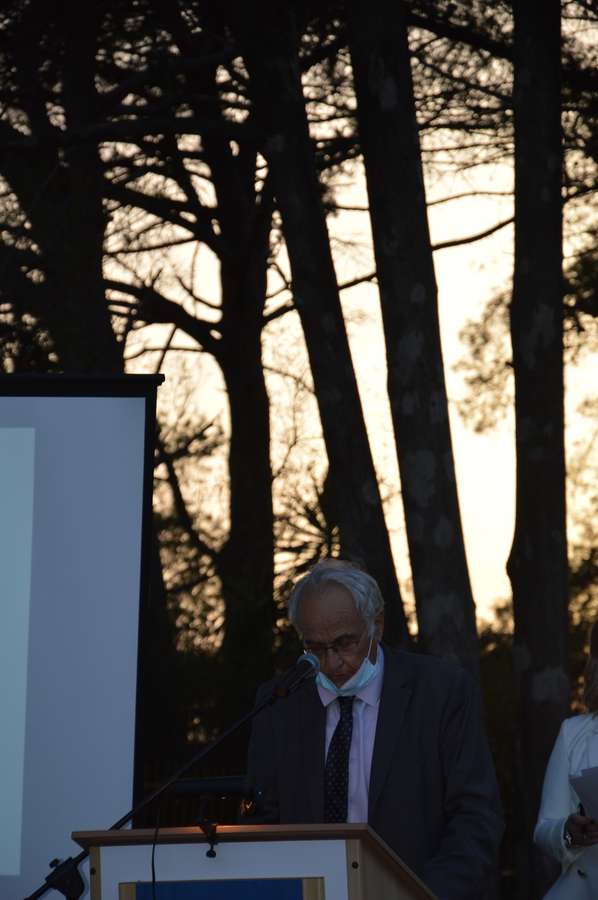
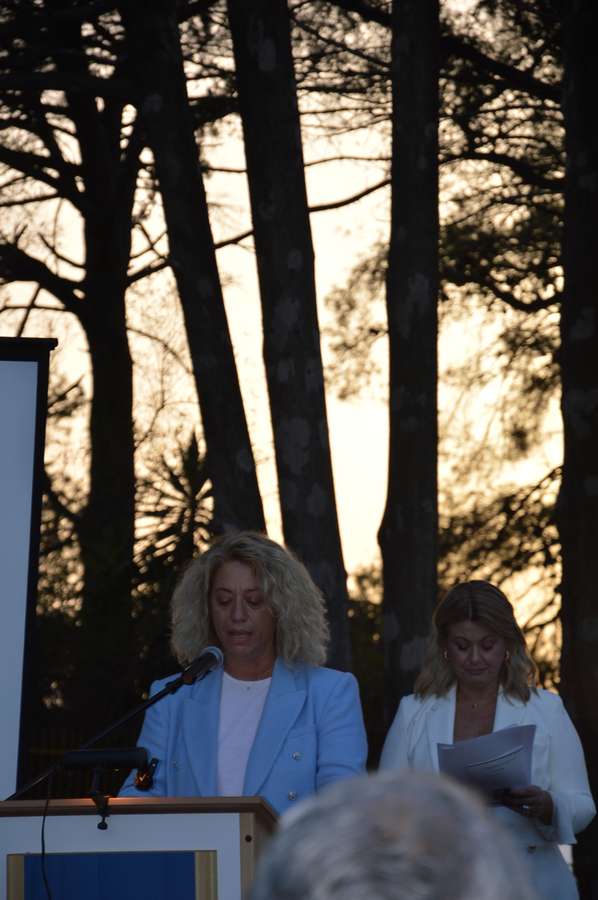
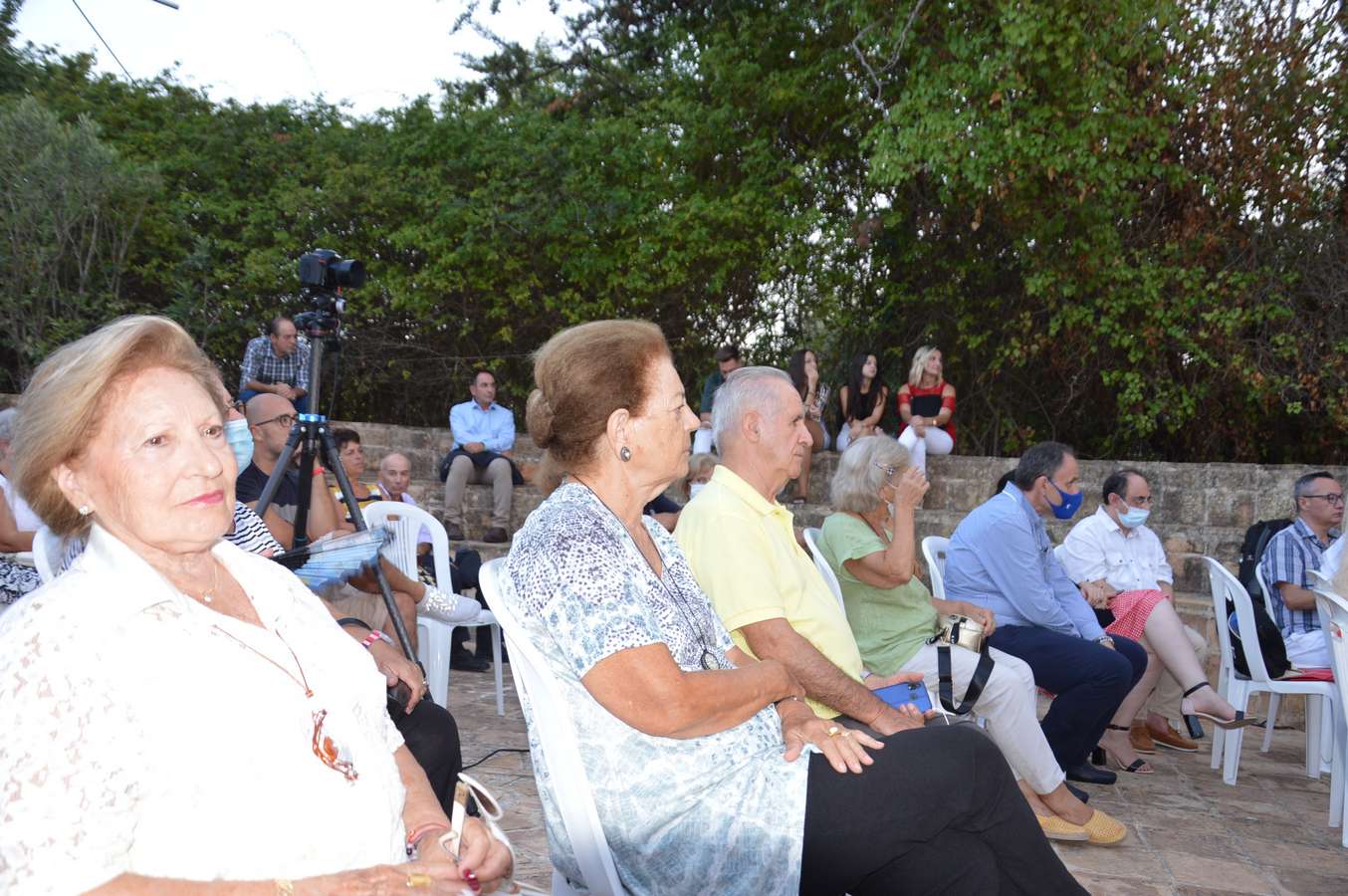
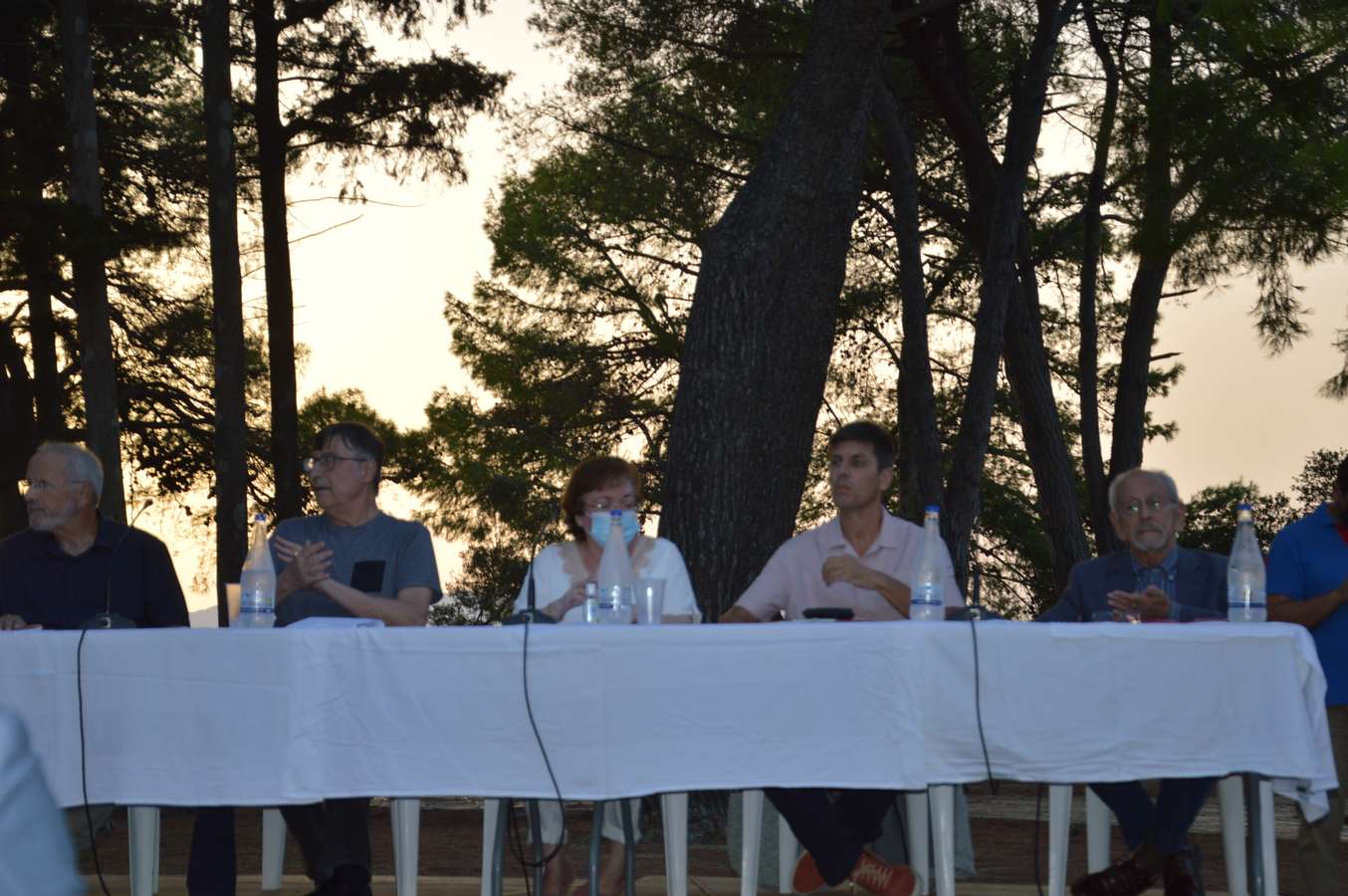
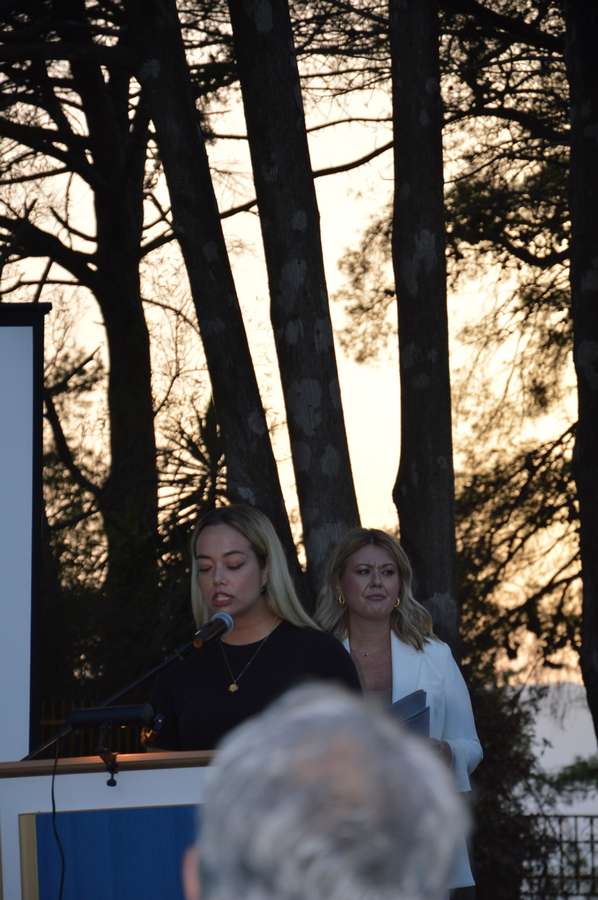
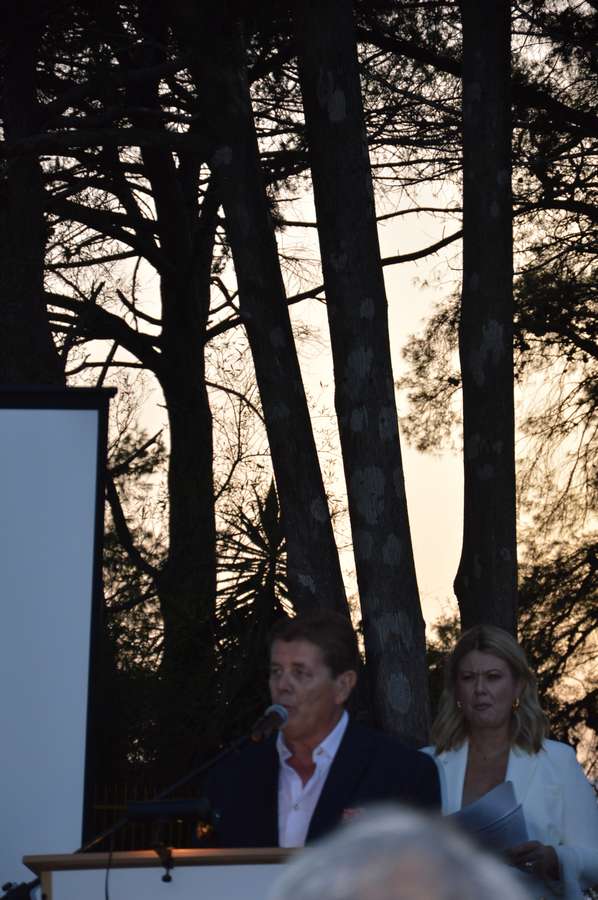
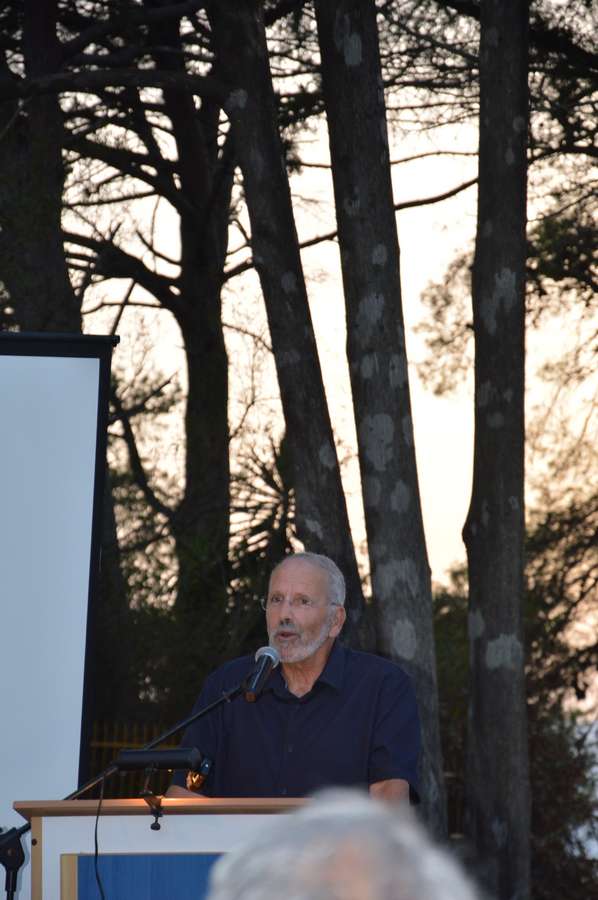
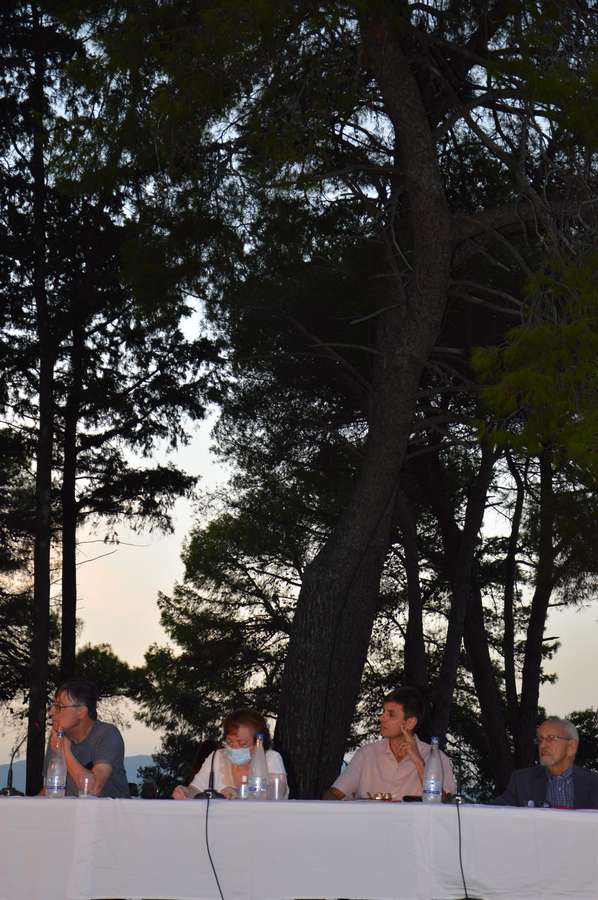
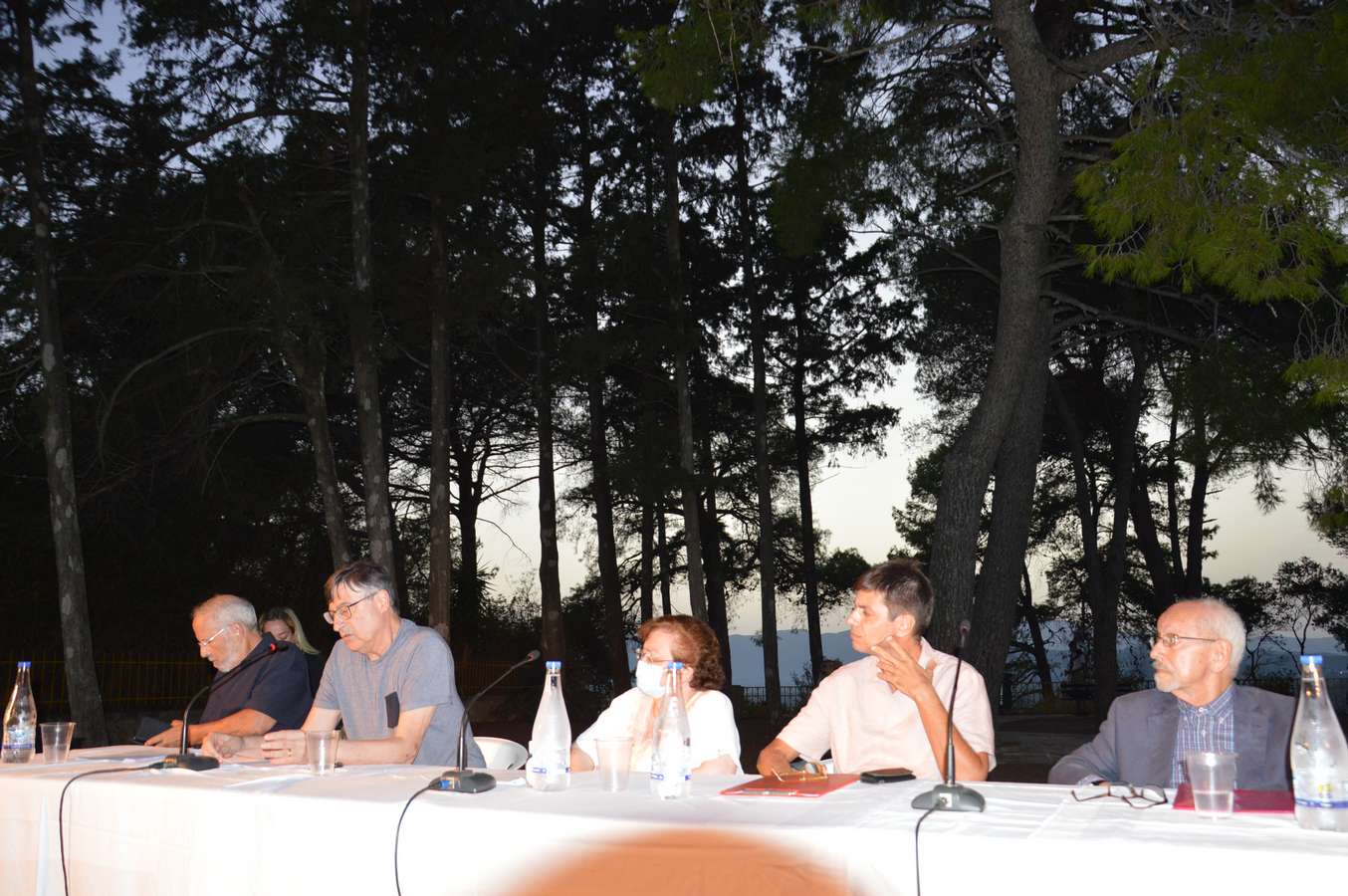
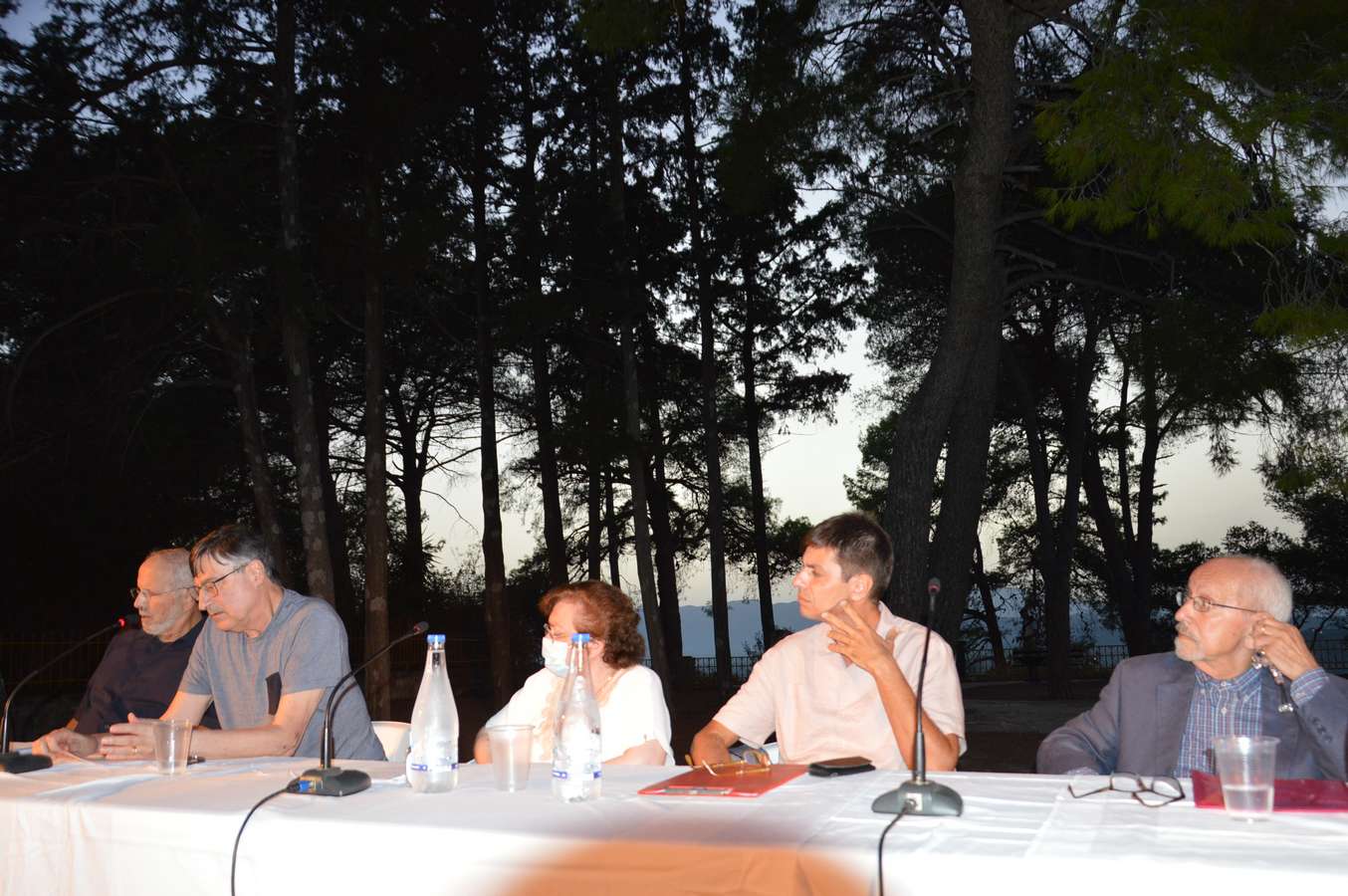
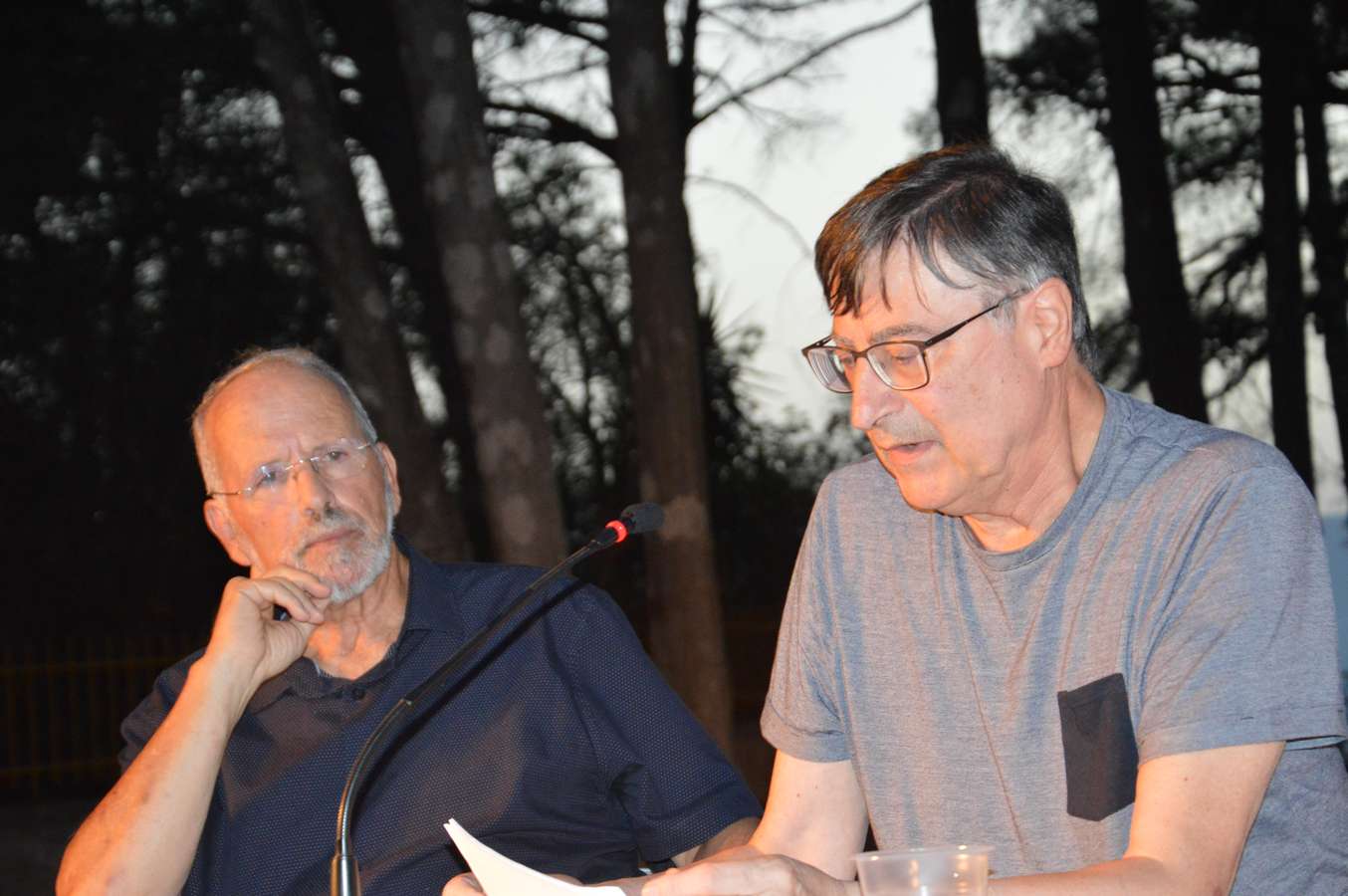
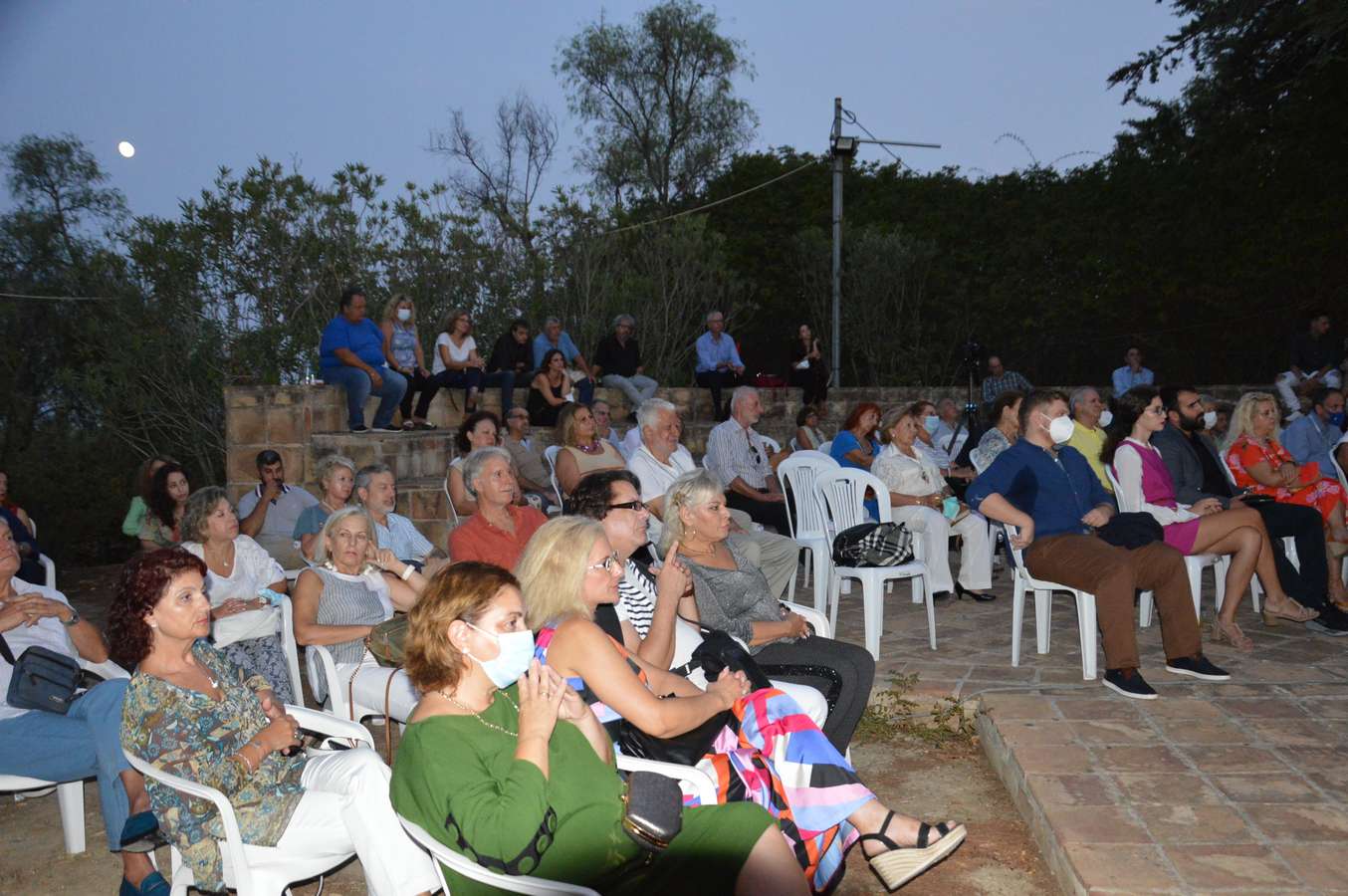
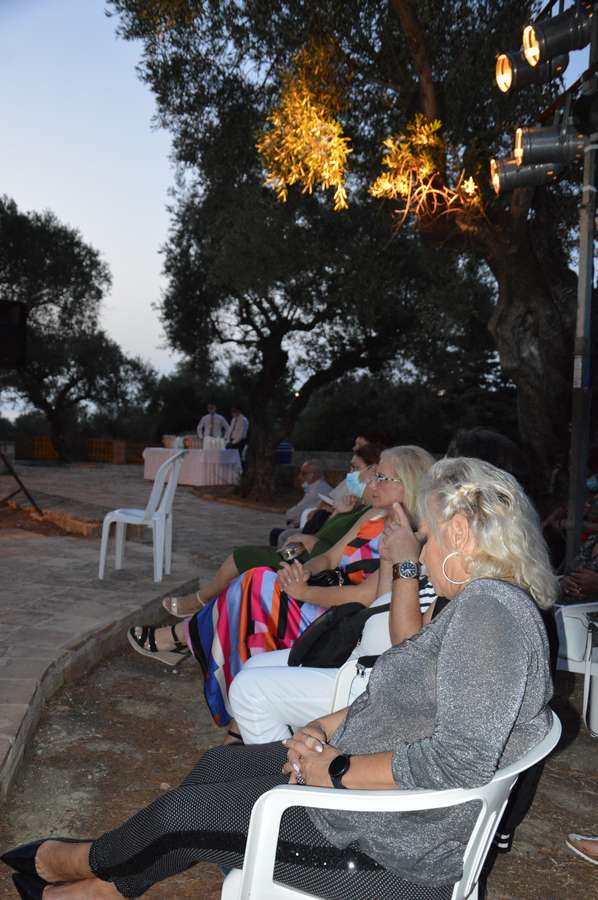
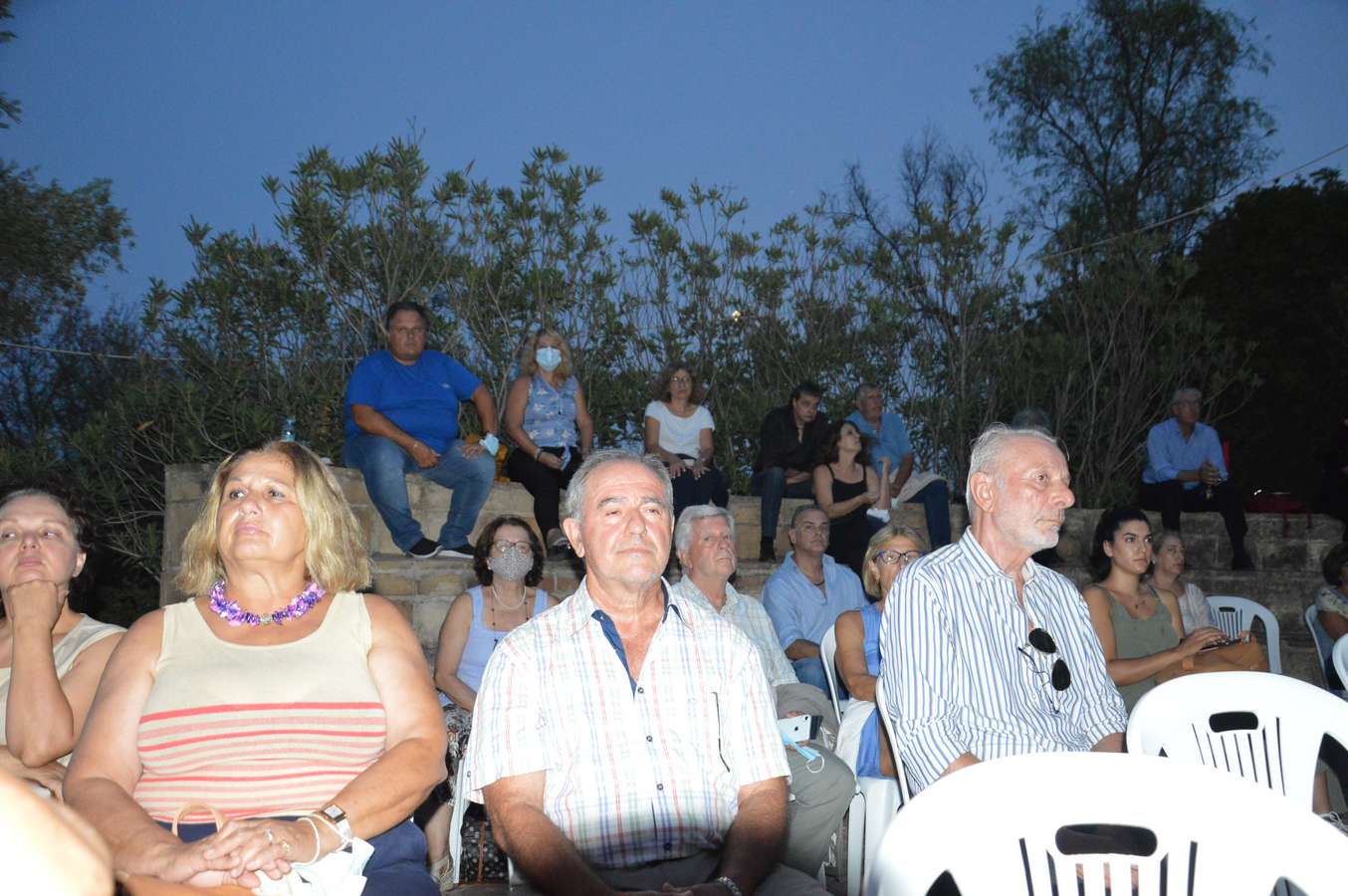
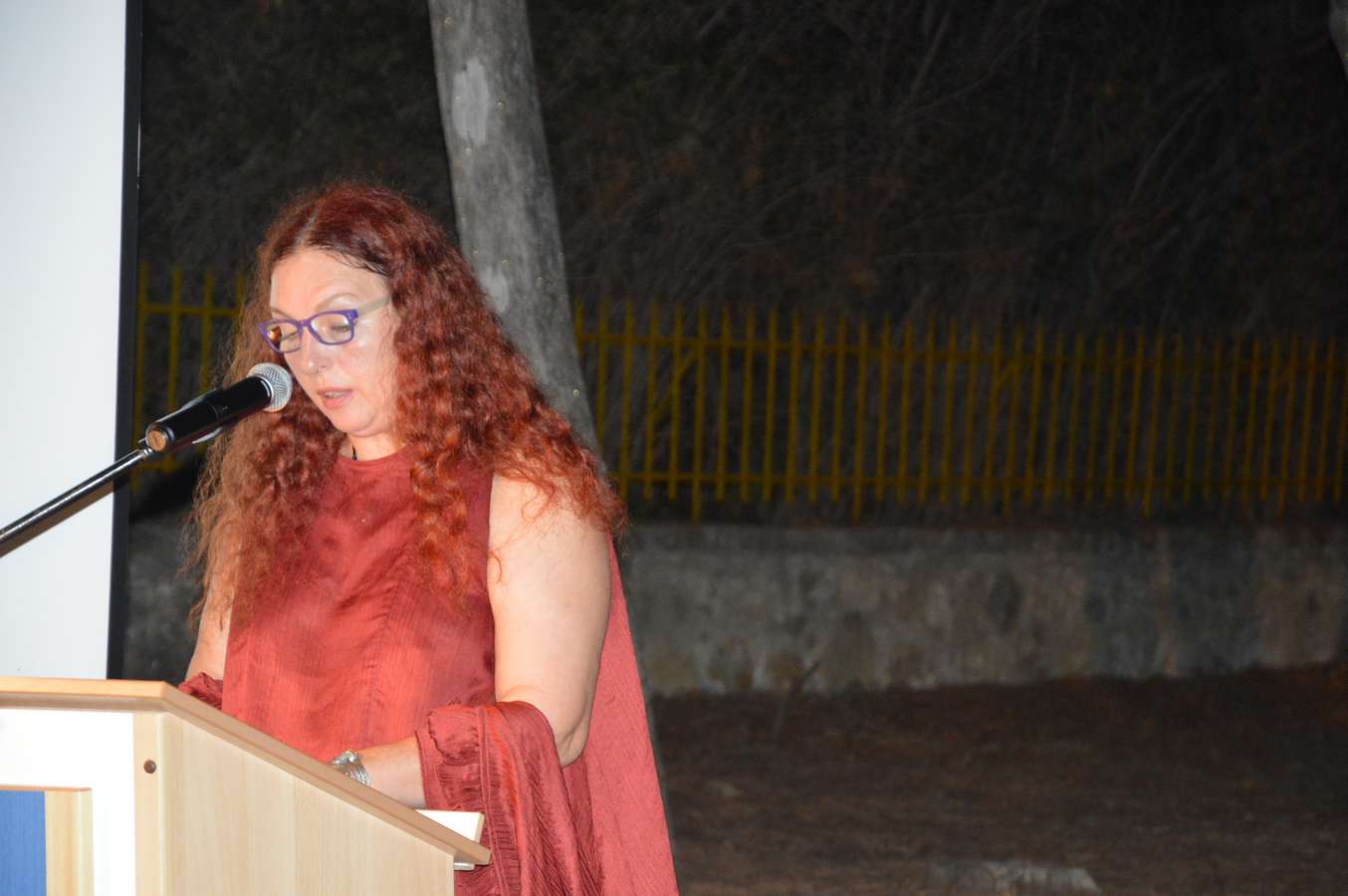
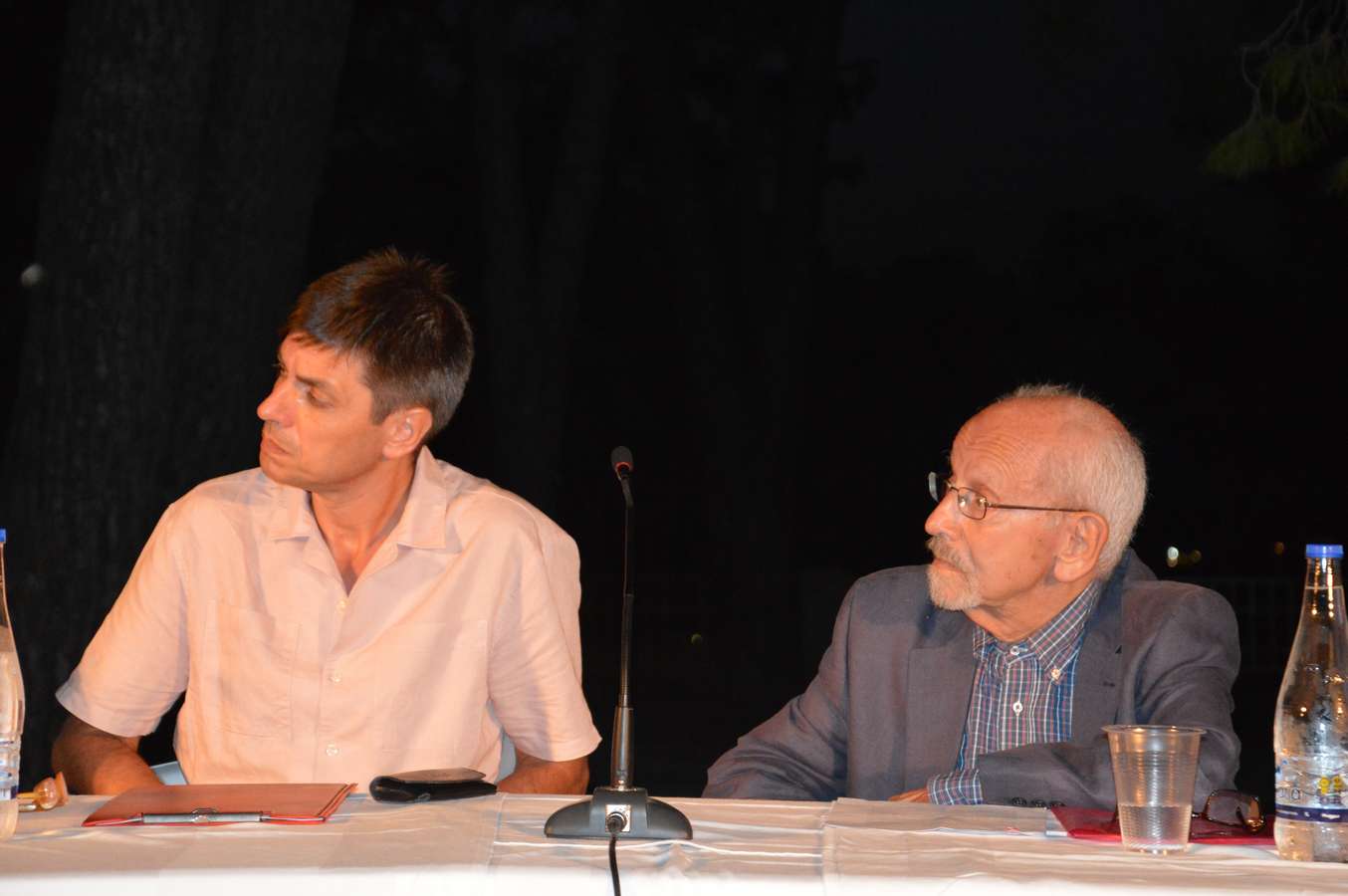
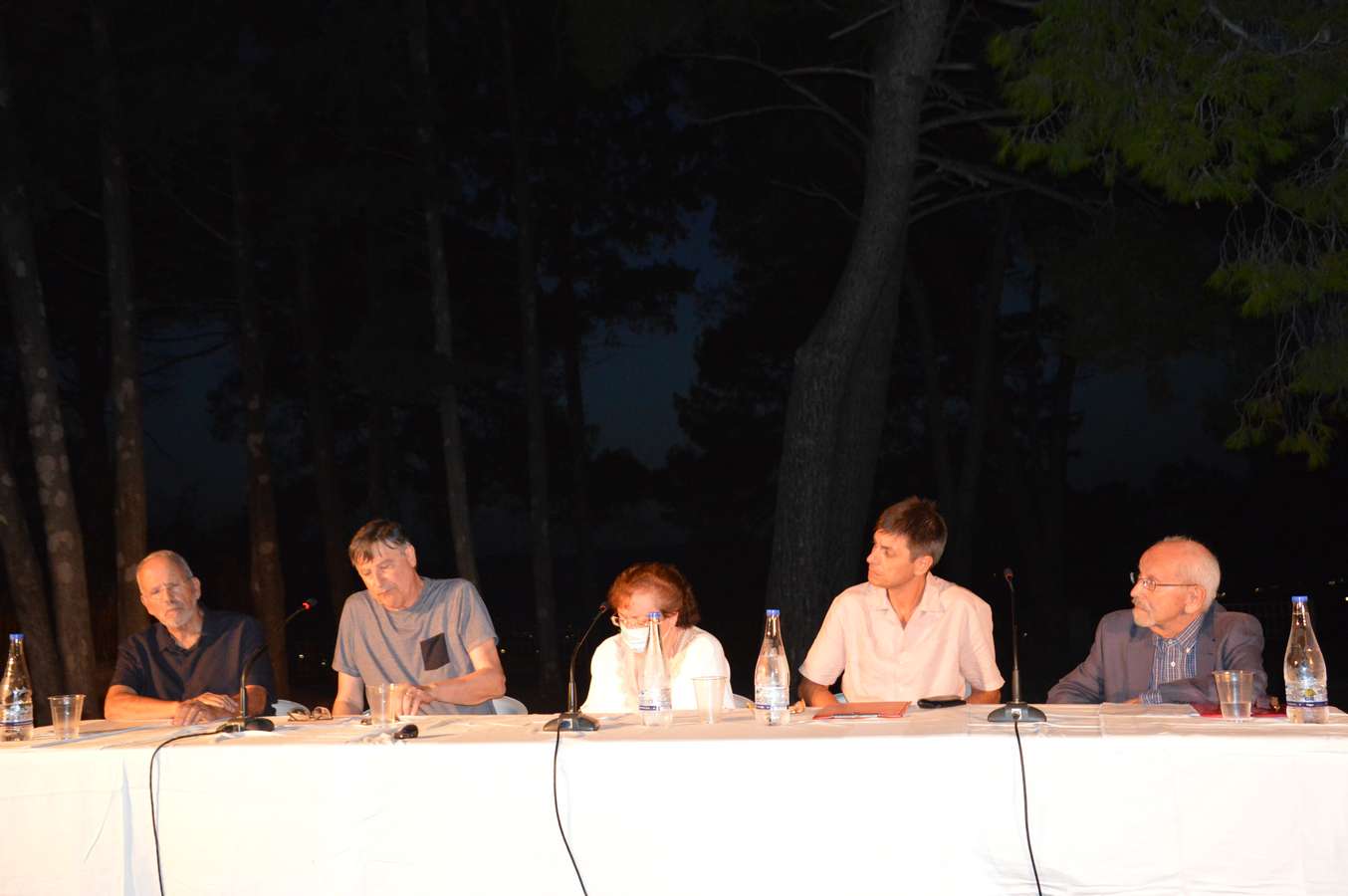
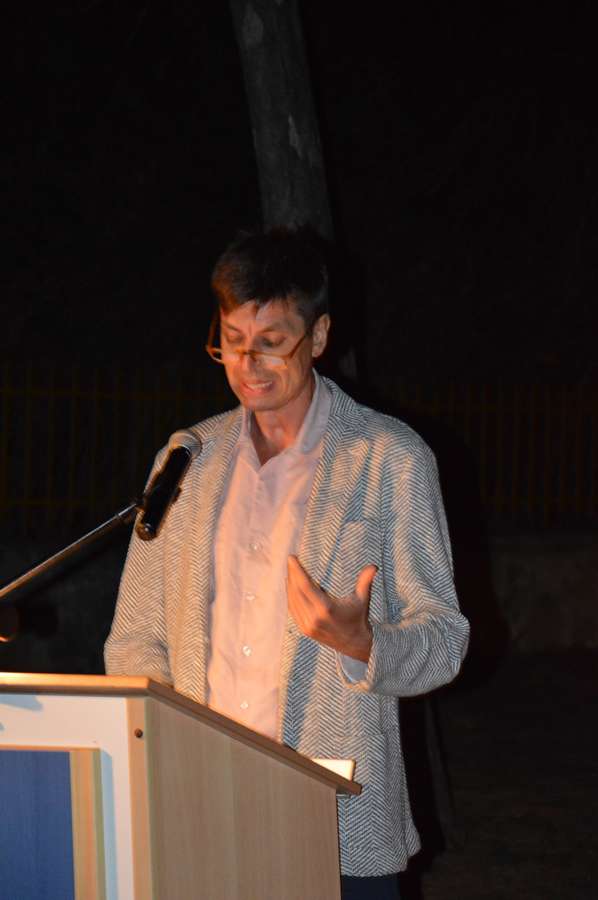
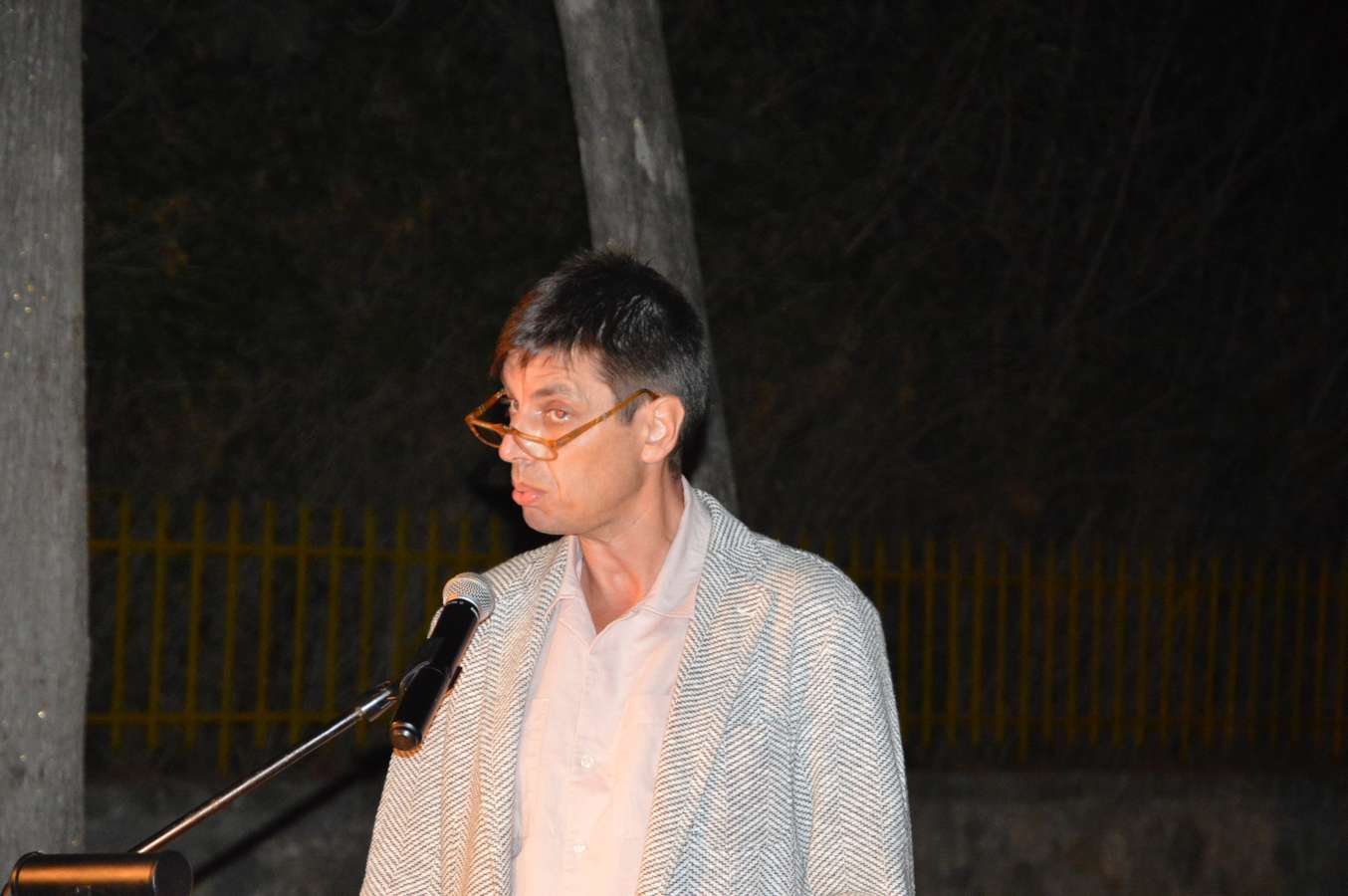
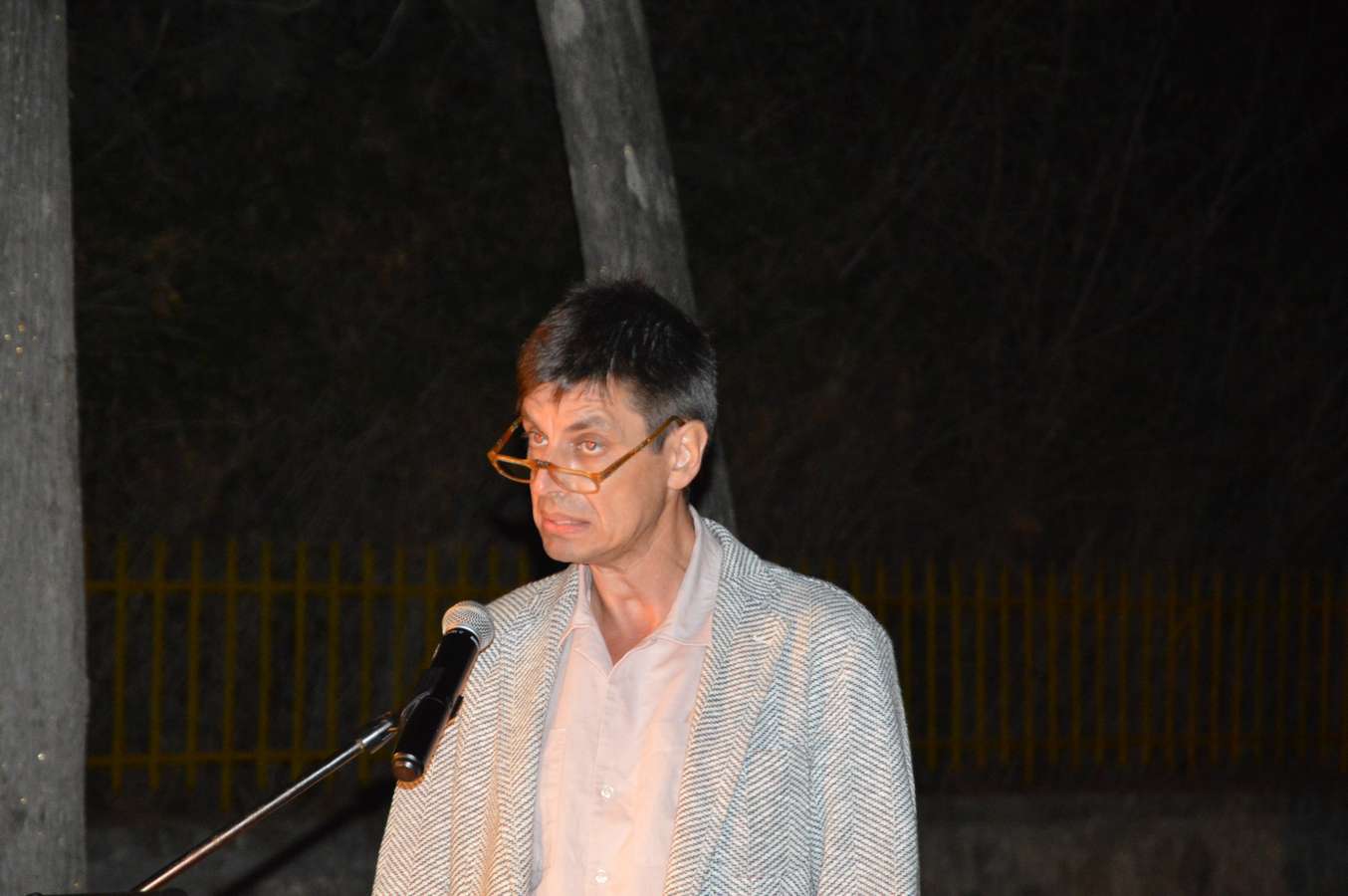
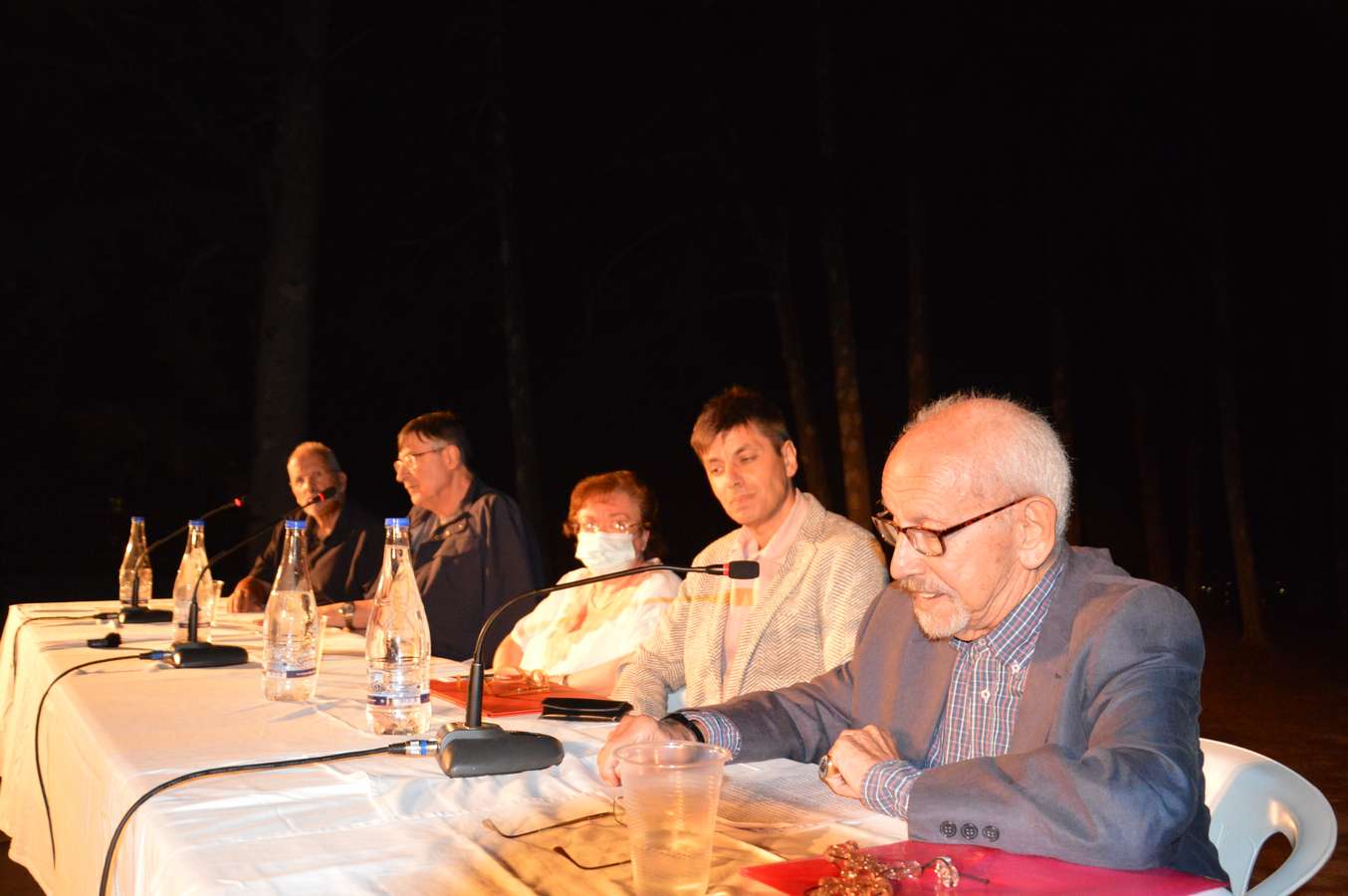
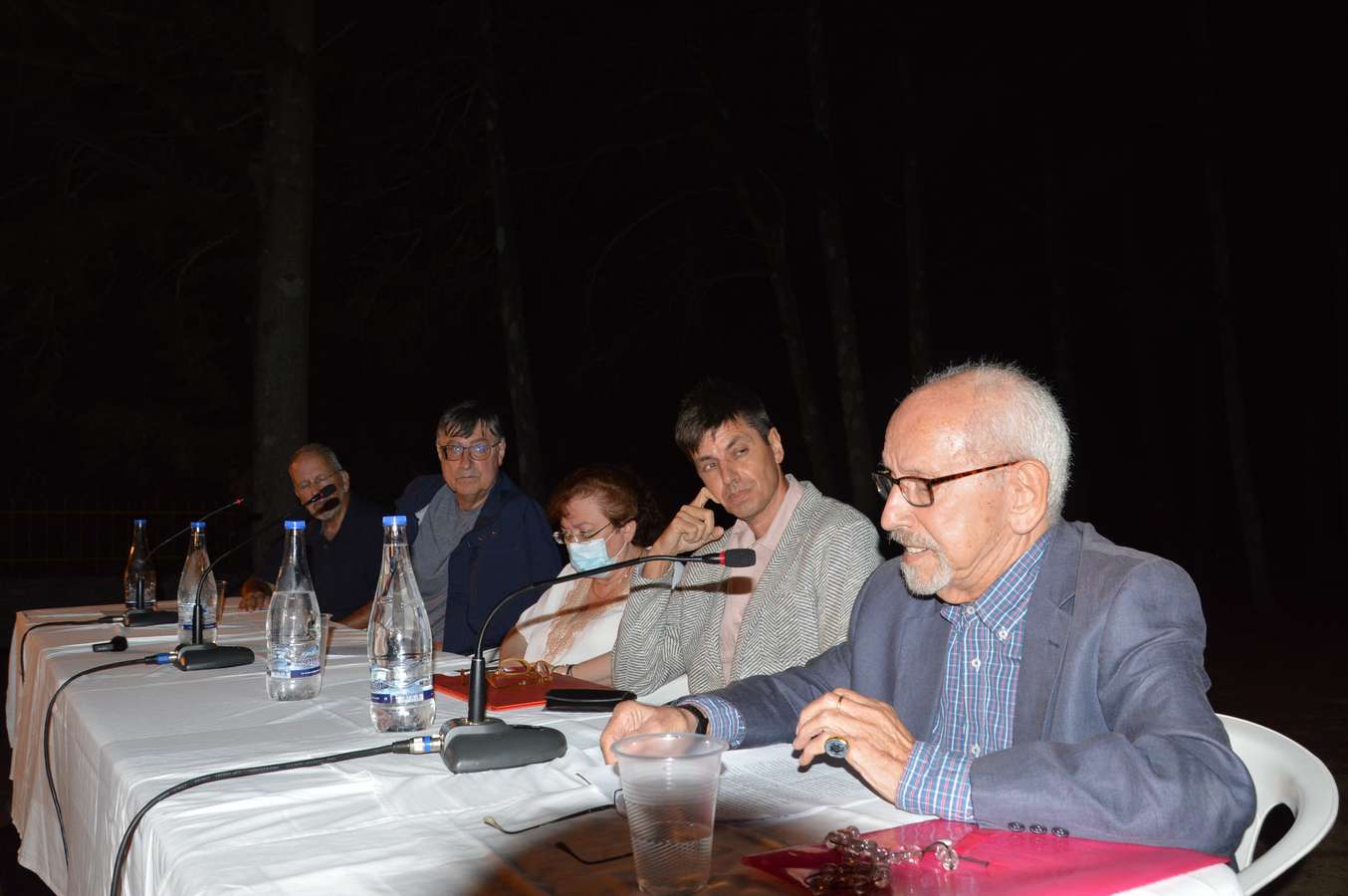
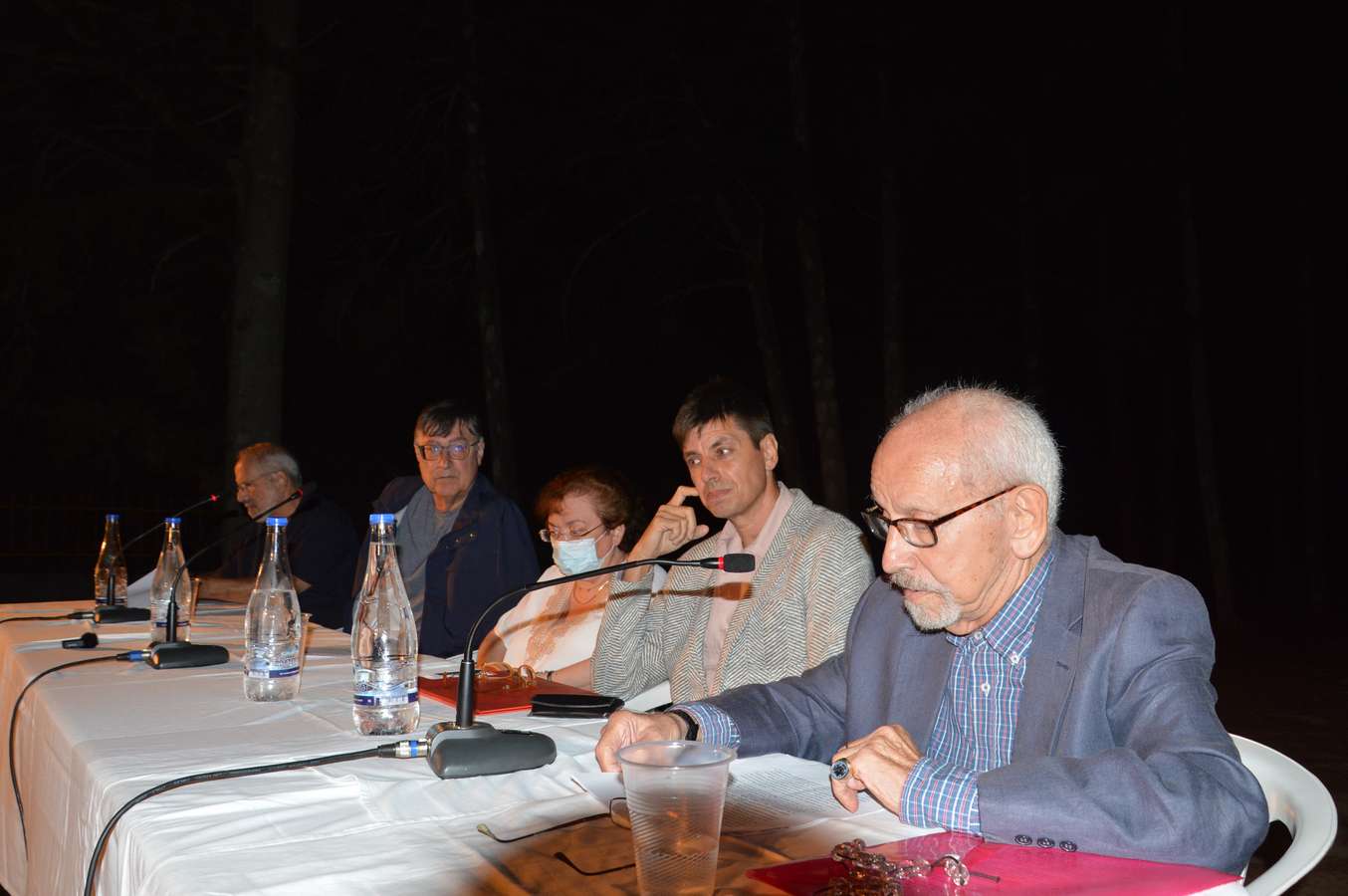
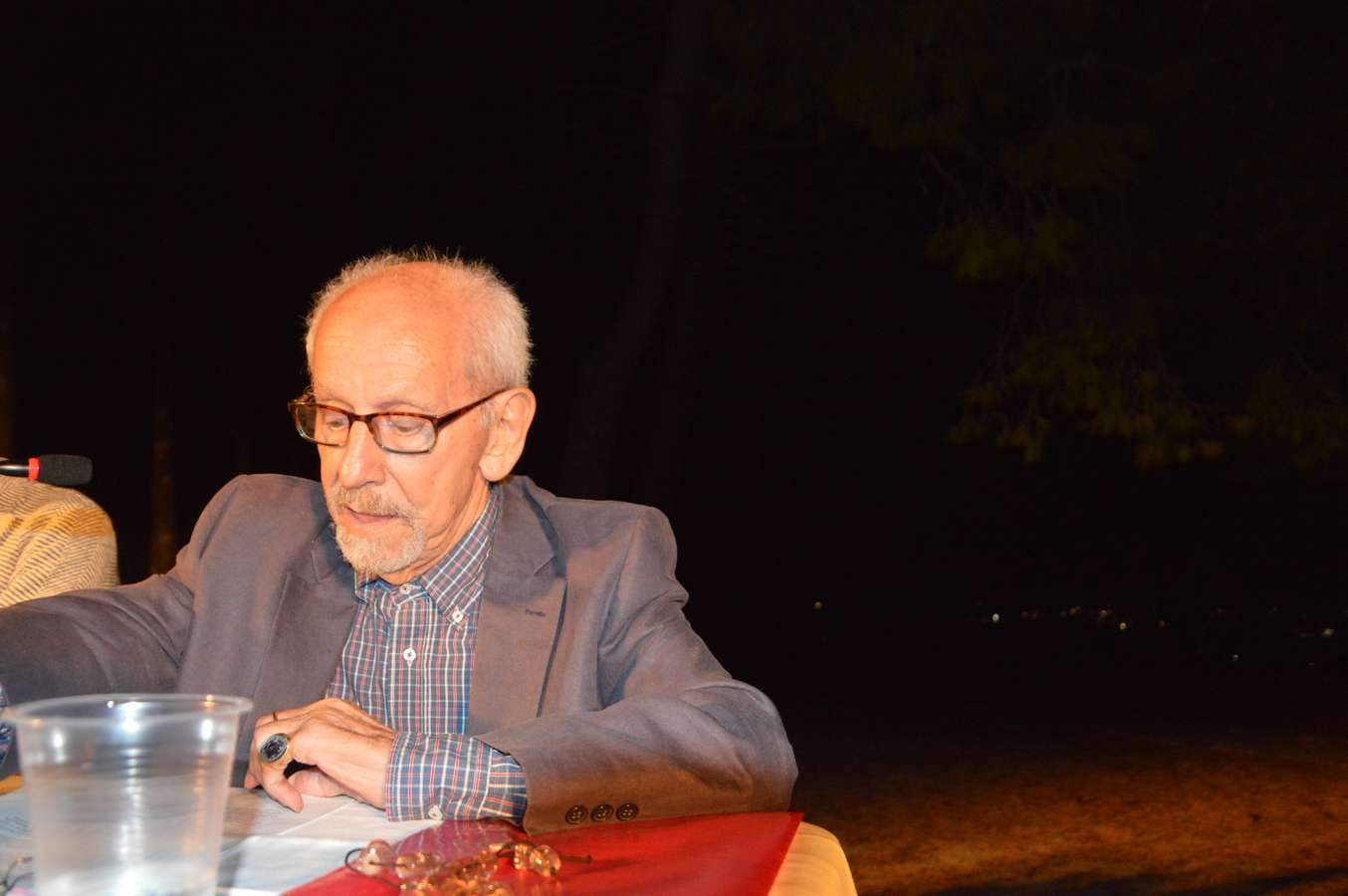
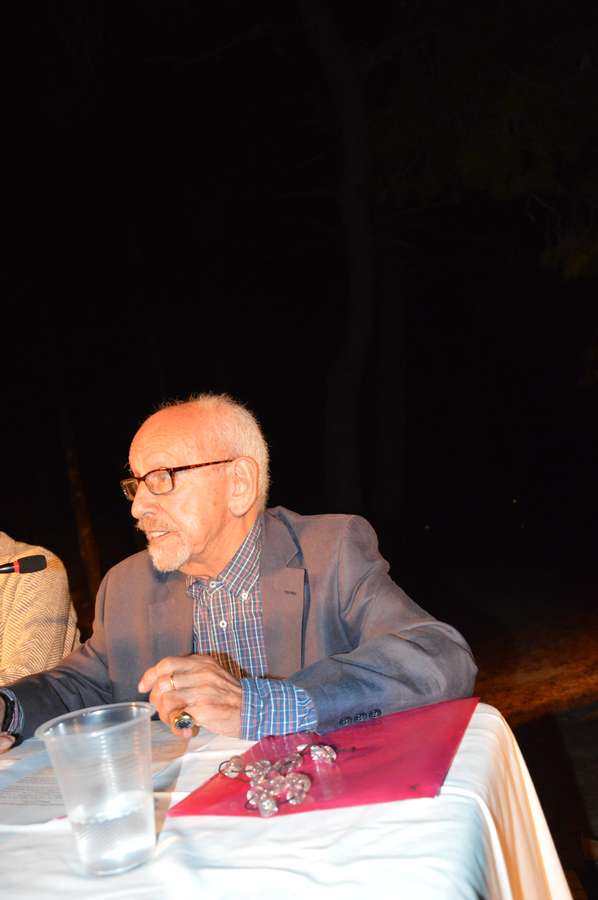
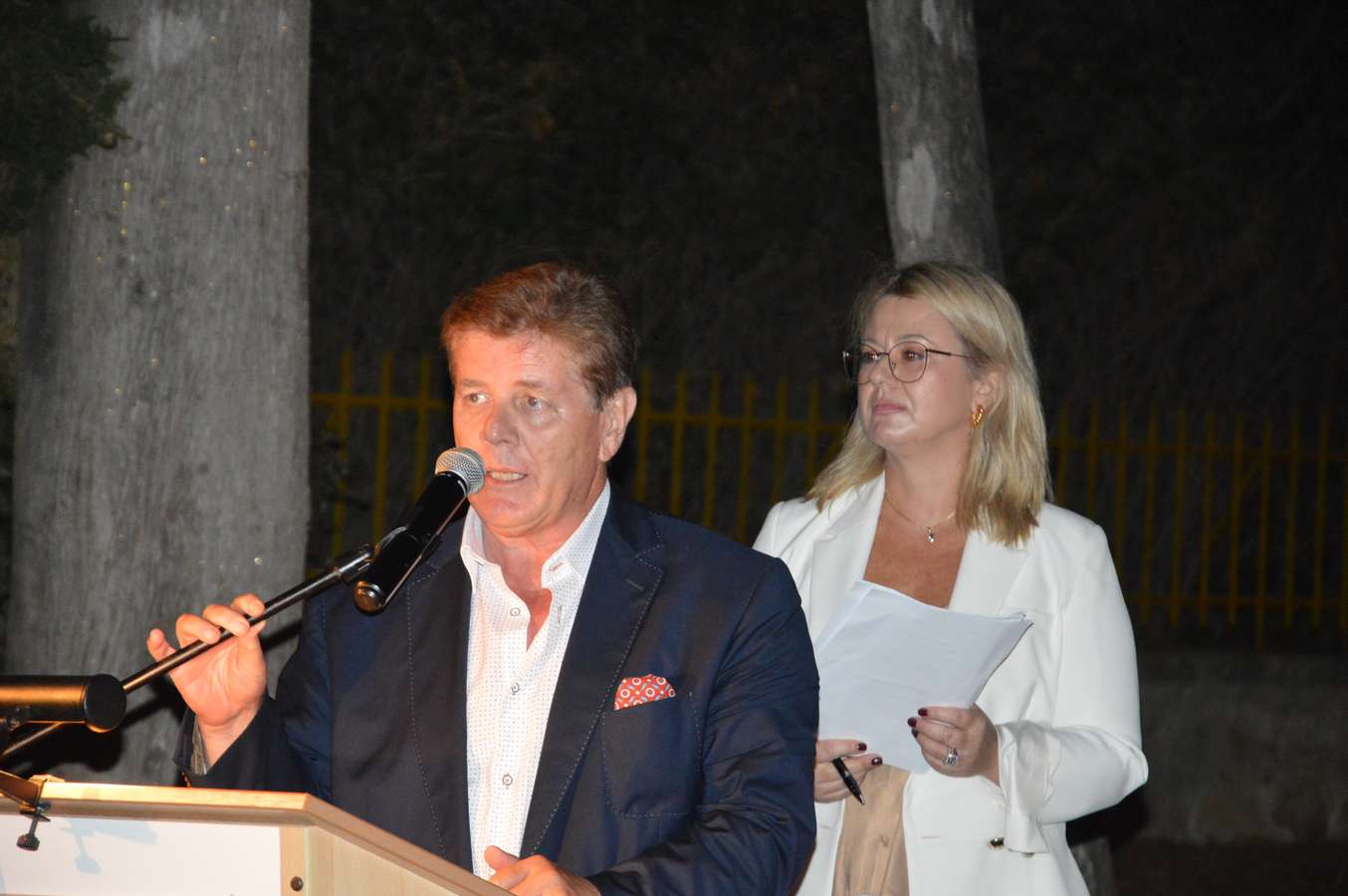
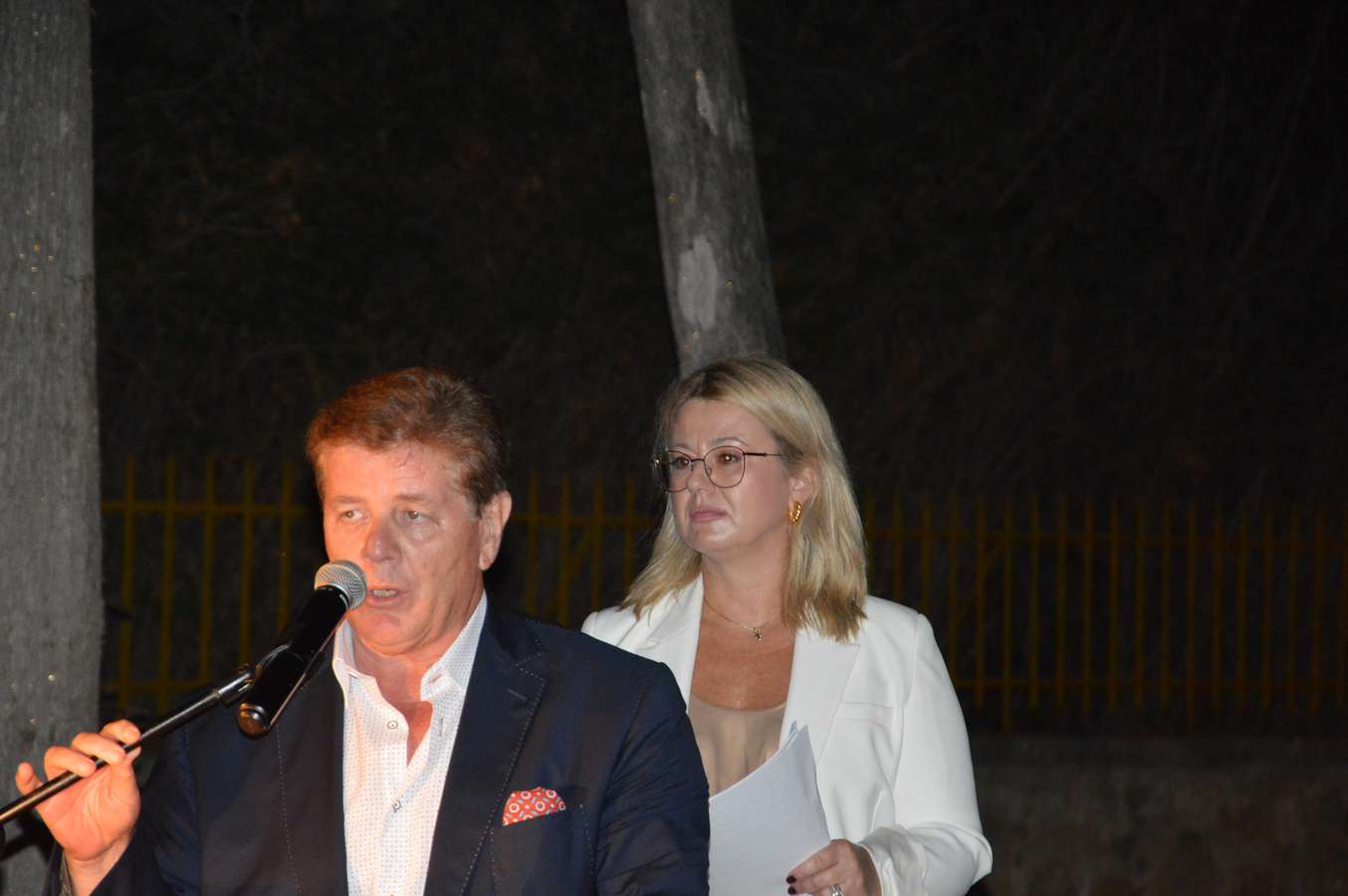
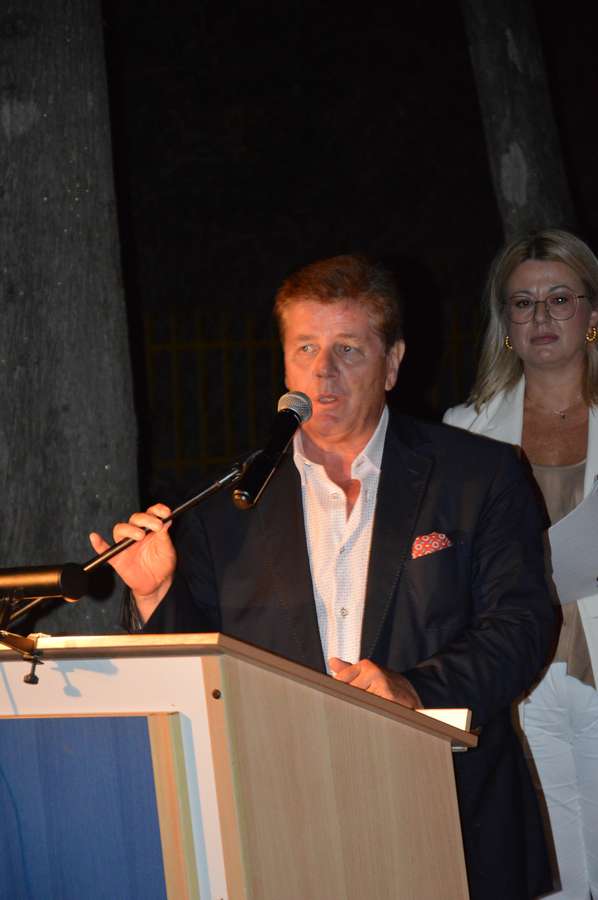
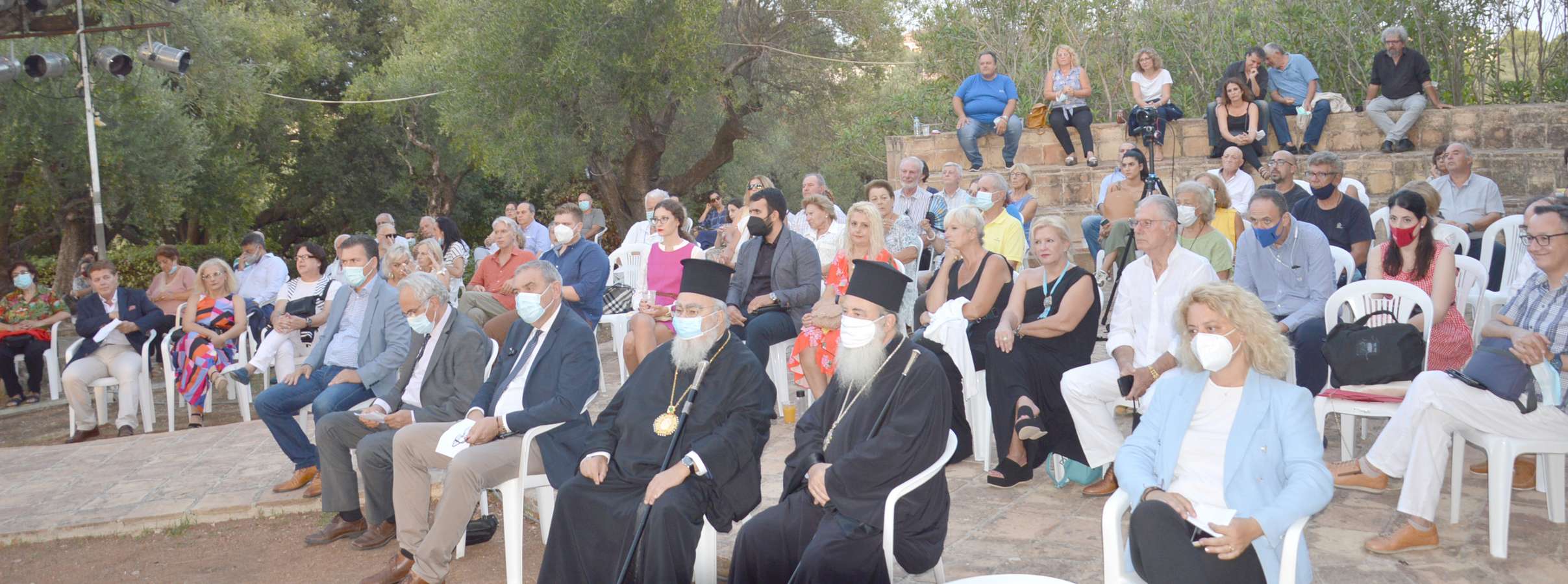
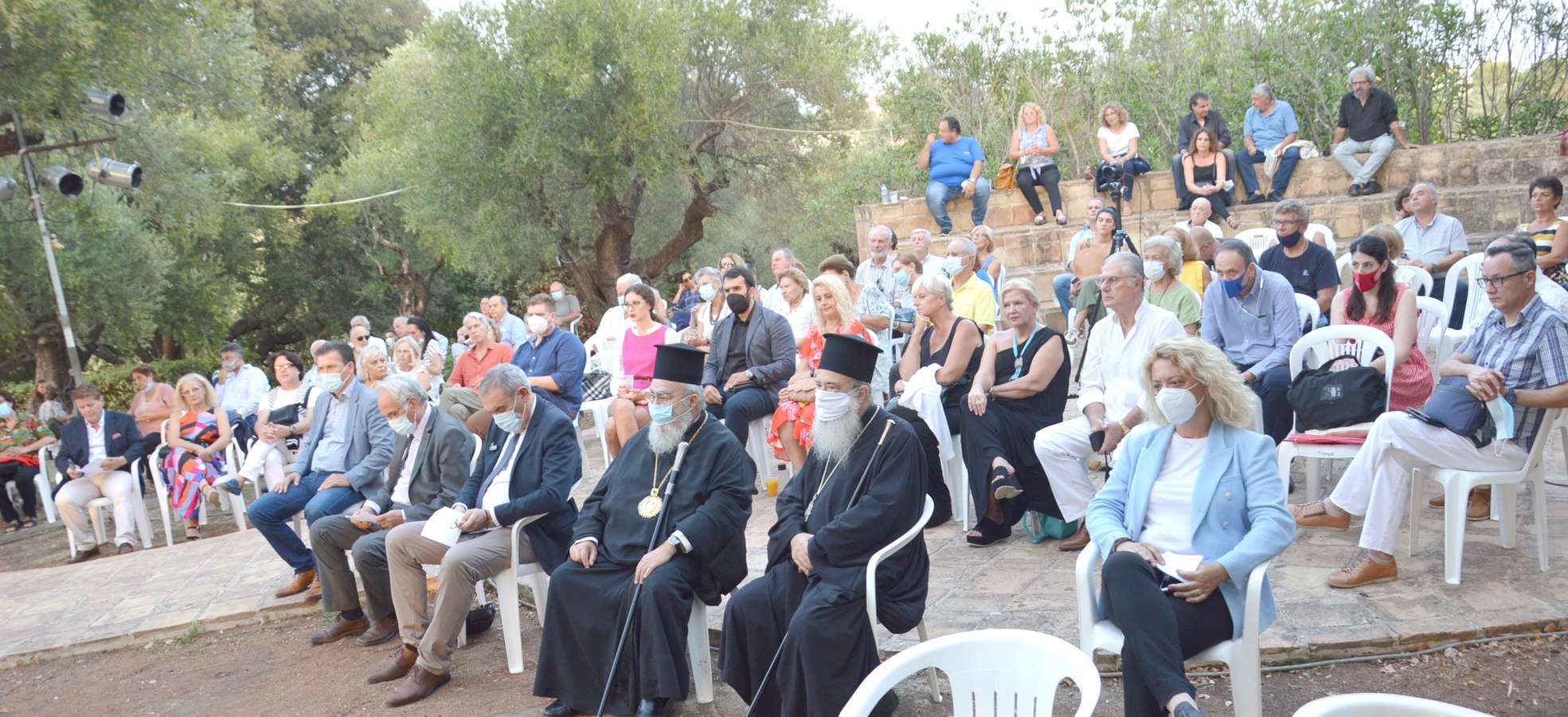
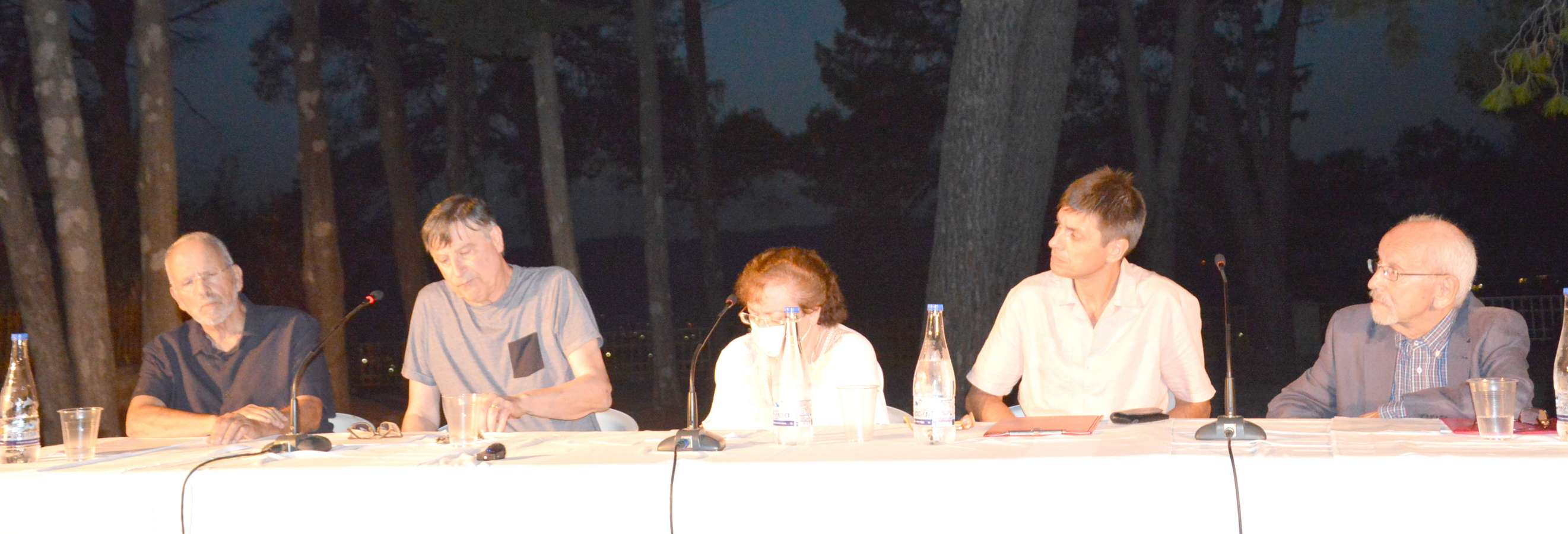
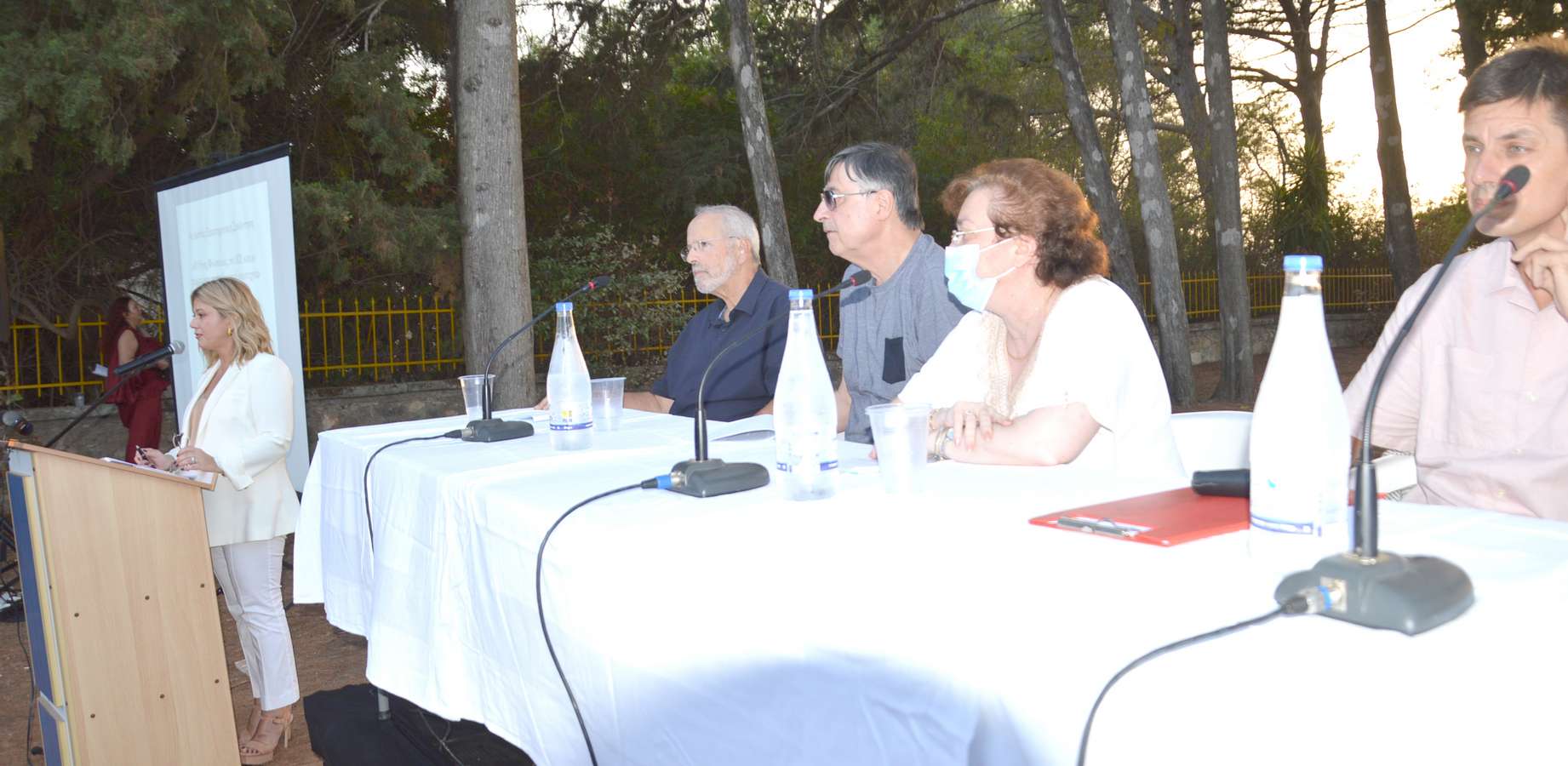
Successfully and in the presence of the authorities and an outstanding audience, the proceedings of the 4th International Scholarly Meeting organised each year by the Cultural Association of Zakynthos “Ugo Foscolo” concluded on Saturday evening on Stranis Hill.
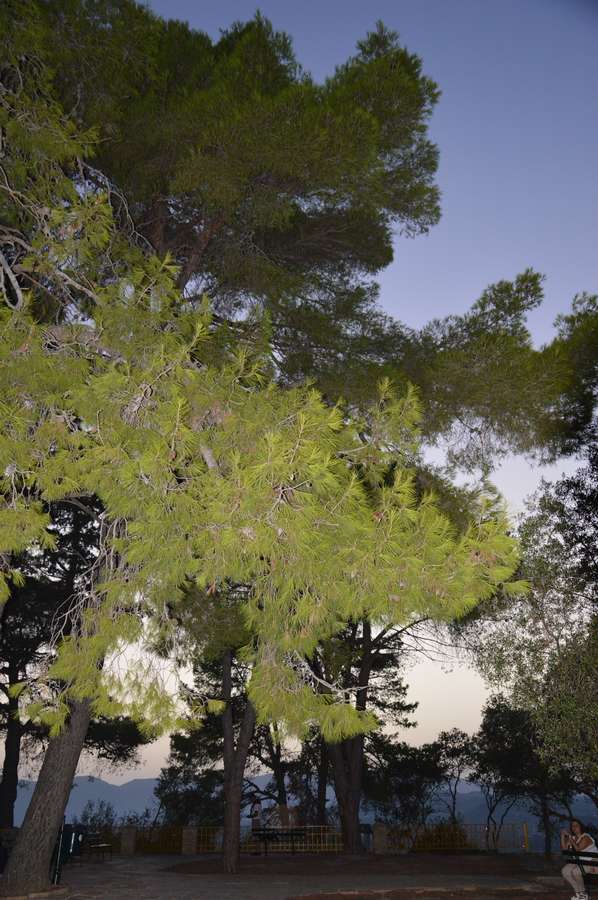
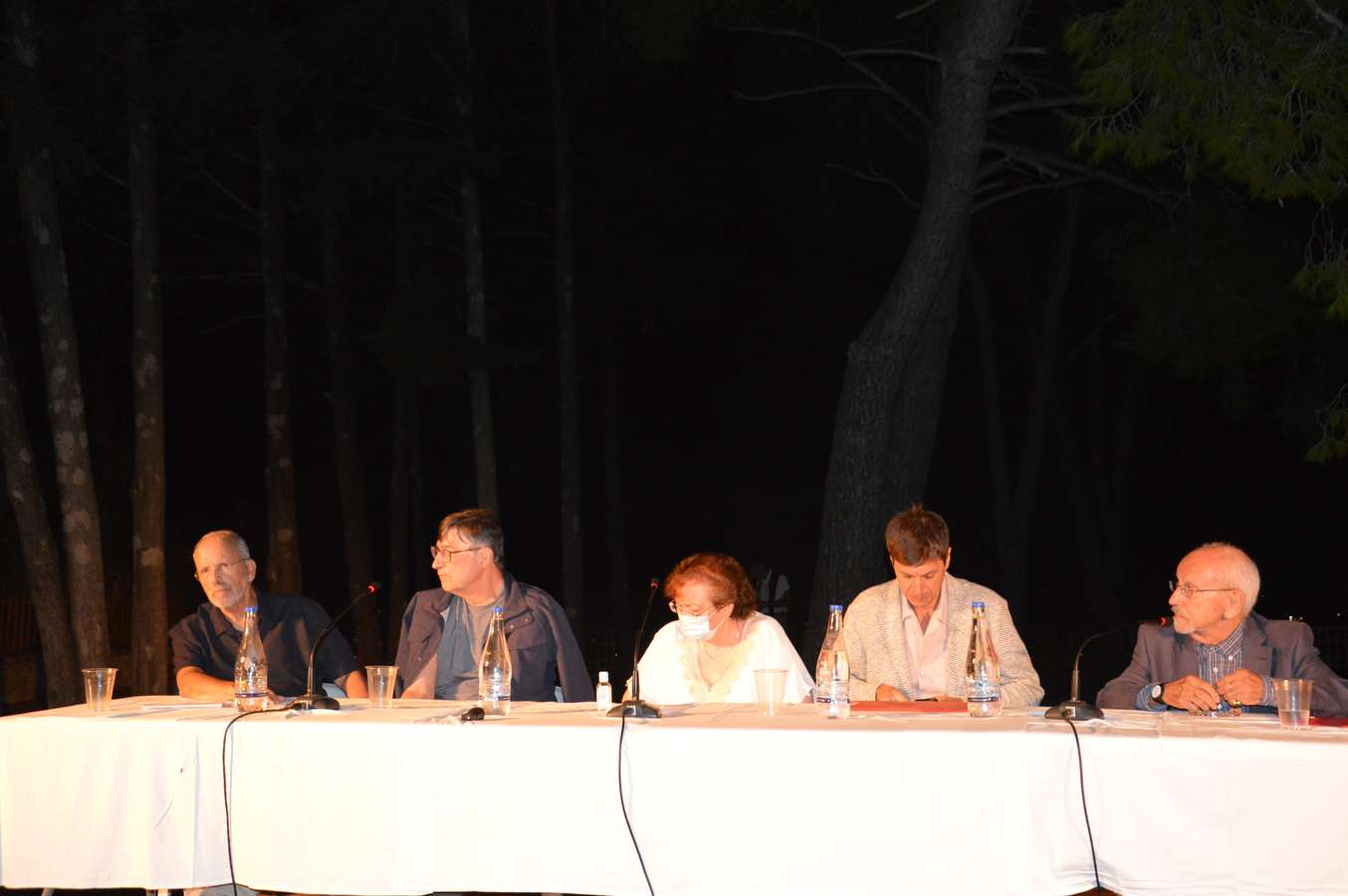
In the shade of the bust of the national poet and beneath the rich foliage of the trees of the area, six leading academics and researchers presented an equal number of papers on the relationship of the poet Nikolaos Ugo Foscolo with the Revolution of 1821 and the influence of his work on Greek poets and men of letters.
Present at the event were: from Switzerland Maurizio Perugi, emeritus professor of the University of Geneva; from Athens Maria Sgouridou, professor at the University of Athens, and Michalis Paschalis, emeritus professor of the University of Crete; from Corfu Vasilis Letsios, assistant professor at the Ionian University; and from Zakynthos Nikias Lountzis, writer and historical researcher. Owing to a family matter, emeritus professor of the Ionian University Theodosis Pylarinos was unable to attend. He nevertheless sent his paper, which was read by the Association’s Museum Curator, educator, theatre scholar and doctoral candidate at the University of the Peloponnese, Penelope Avouri.
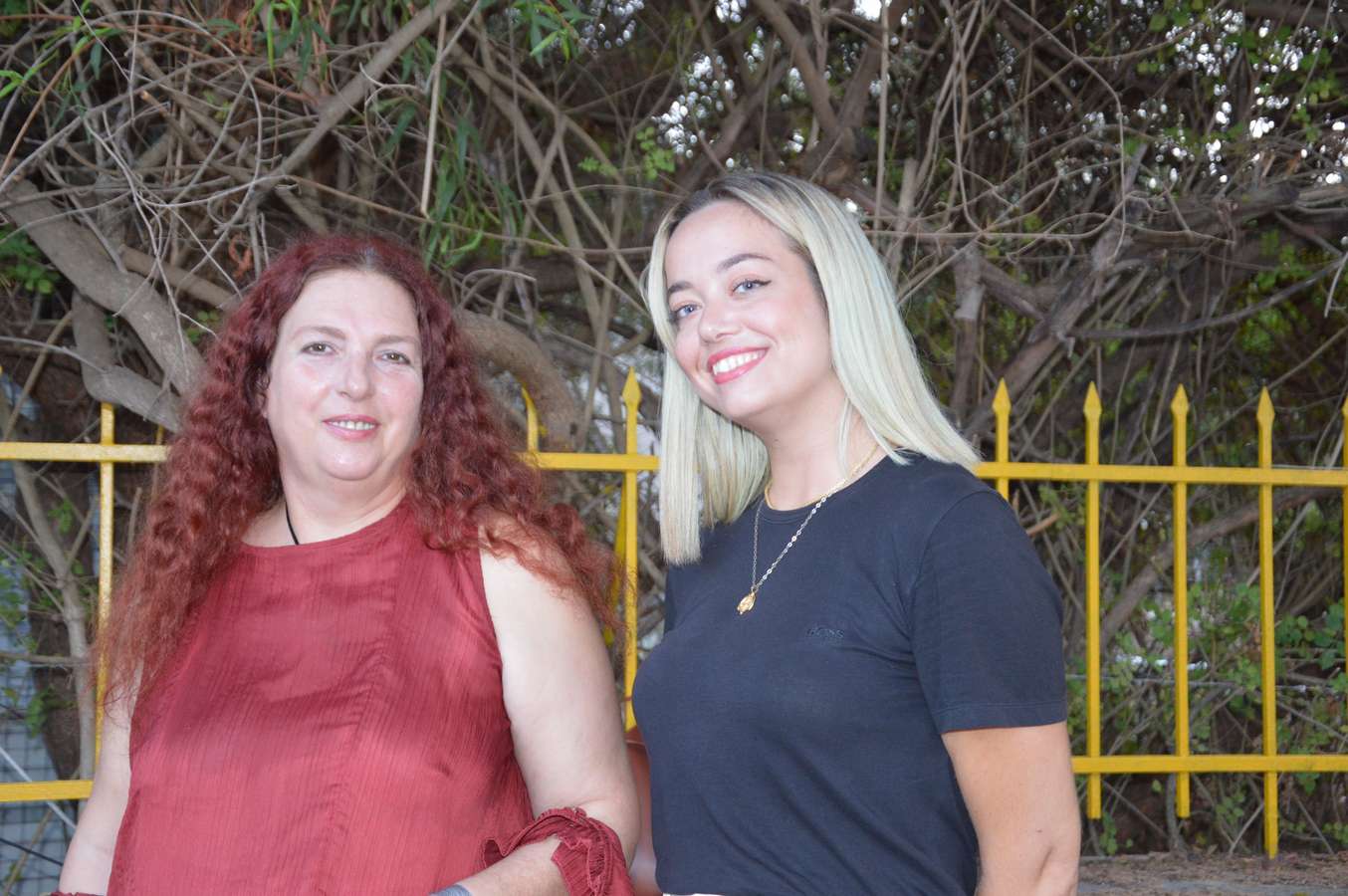
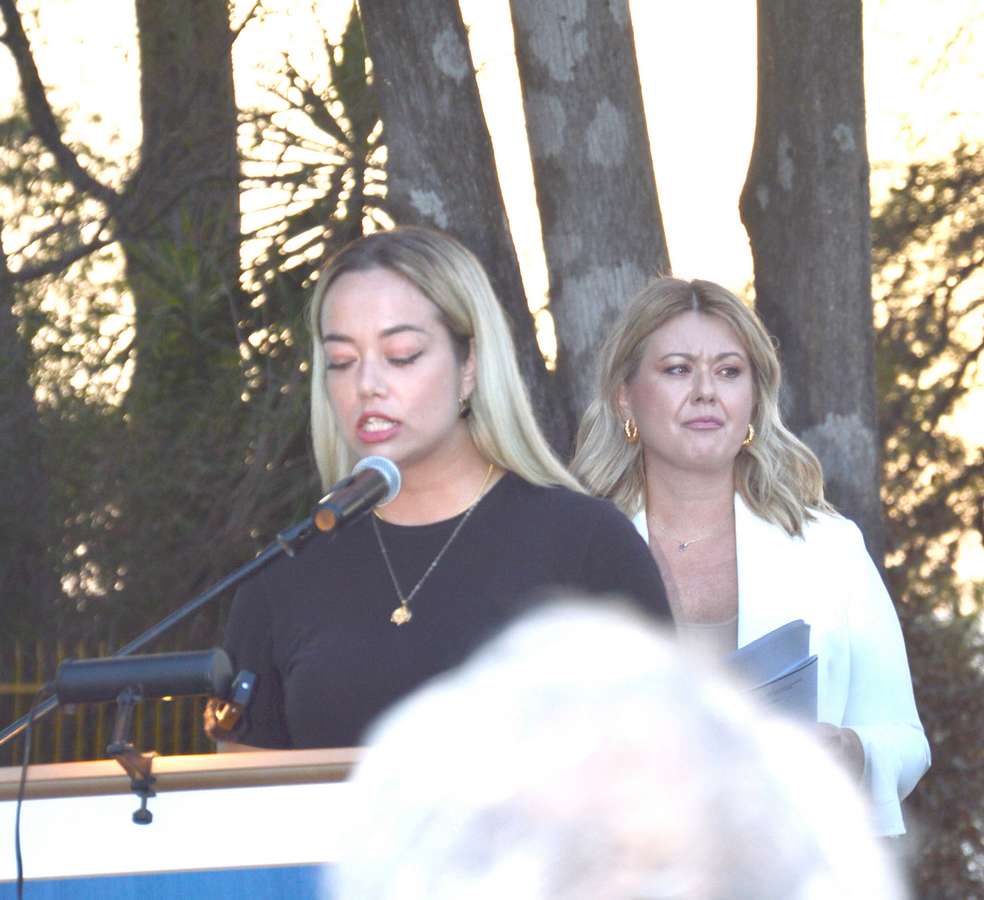
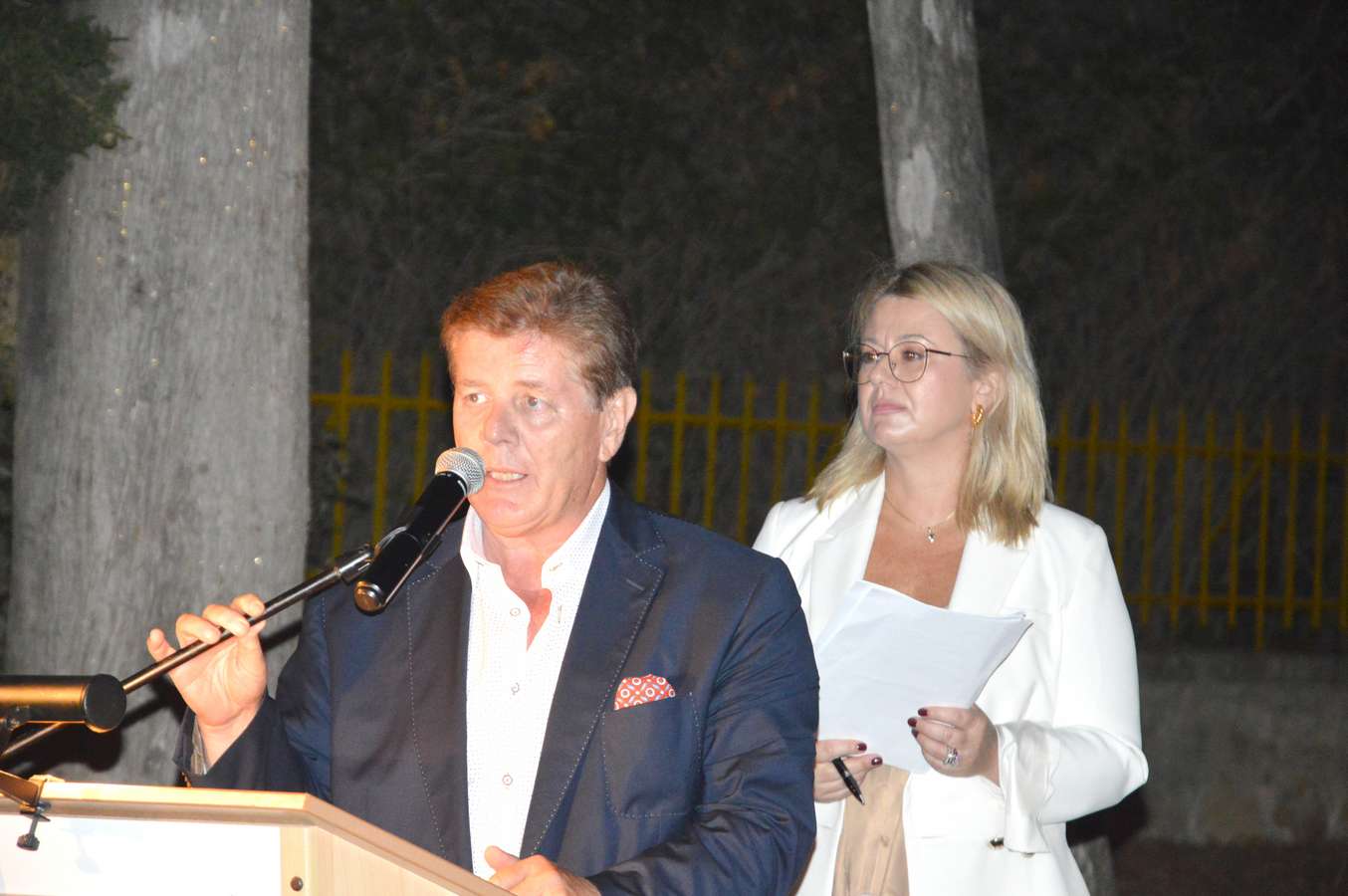
Coordination of the event, as representatives of the Association’s Board, was undertaken by the lawyer Stefania Kapnisi and the historian Andriana Pomoni.
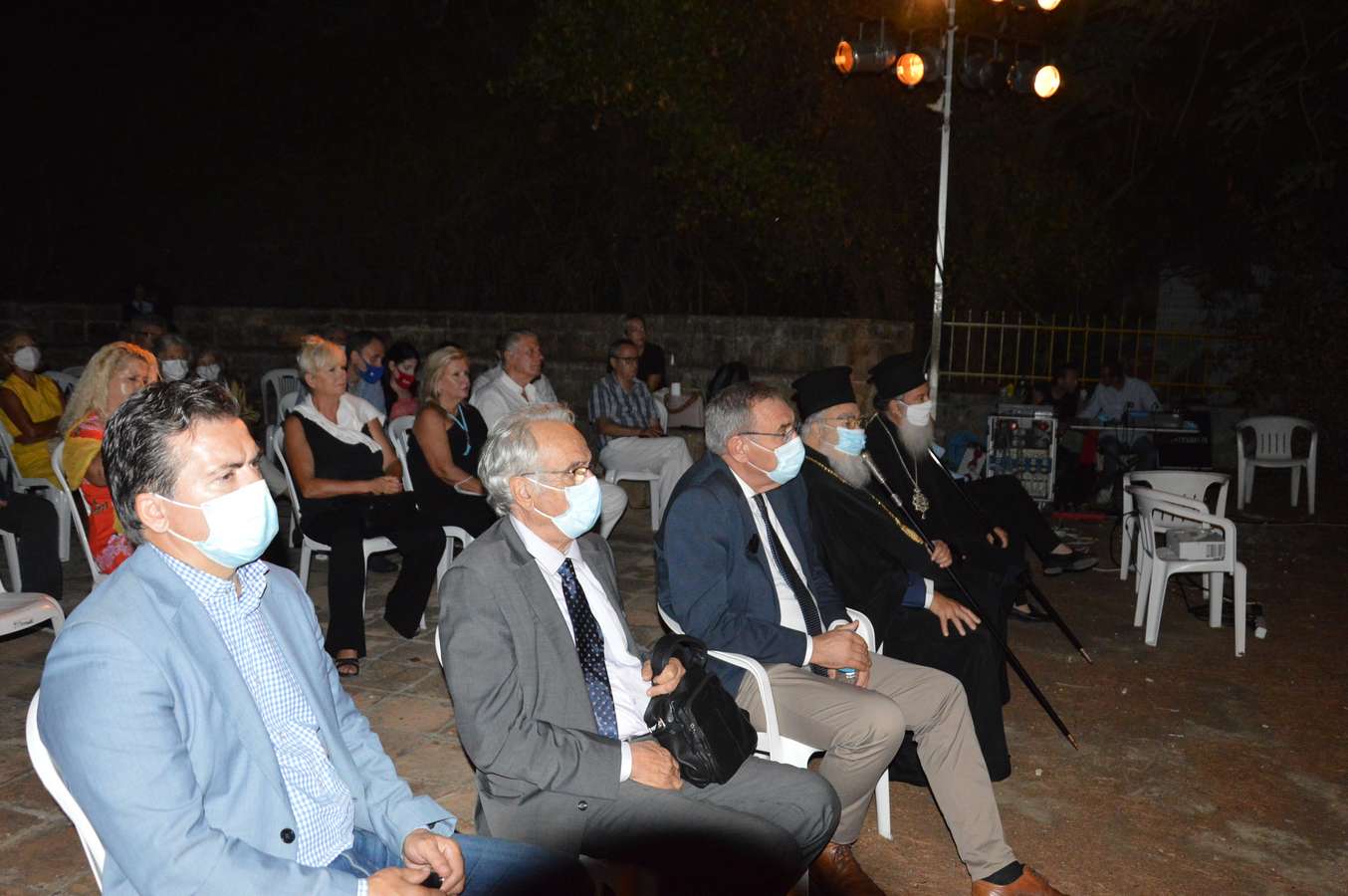
The event was greeted by the Metropolitan of Dodoni Chrysostomos, MP Dion. Aktypis, Mayor N. Aretakis and Deputy Regional Governor Aik. Mothonaio; also present were His Eminence the Metropolitan of Zakynthos Dionysios and Deputy Mayor Nikitas Spinos.
In his address Mr Chrysostomos stressed that Zakynthos supports and honours the work of the great poets of its history, while MP Dion. Aktypis underlined the contribution of the Association “Ugo Foscolo” to the study of letters in Zakynthos and to the creation of a new Museum for the town of Zakynthos.
The commitment of the Region of the Ionian Islands to continue supporting with works the creation of the Museum for Ugo Foscolo was stressed by Deputy Regional Governor Aikaterini Mothonaio, while Mayor Nikitas Aretakis confirmed the Municipality’s interest in the works converting the poet’s House into a Museum.
A very warm congratulatory message was sent by the Ambassador of Italy in Athens, Ms Patrizia Falcinelli, in which, after underlining her wish to visit Zakynthos in the near future, she expressed her assessment that the Association of Zakynthos will be a strategic partner of the Embassy in disseminating Foscolo’s work.
Taking the floor, the President of the Board, Filippos Synetos, after thanking the authorities for their presence and support of the Association’s work, recalled the commitments undertaken by the Municipality through the Memorandum of Cooperation of 2013 and by the Region through the decision of the Regional Council of 2017. He called on both bodies to honour these commitments so that the poet’s House may open as a visitable historic site for the public from the spring of 2022.
The first speaker was the professor and writer Michail Paschalis, who spoke on the Tsisiliani letters to Foscolo in 1823 and 1824 under the theme “Foscolo and the Revolution: Aspects of a paradoxical patriotism”
There followed the papers of Maurizio Perugi on “The reception of Foscolo’s work in Dionysios Solomos”, of Theodosis Pylarinos on “The reception of Foscolo’s work in Kostis Palamas”, of Maria Sgouridou on “The reception of Foscolo’s work in Spyros De Viazis”, and of Vasilis Letsios on “Ugo Foscolo and Gerasimos Markoras, comments on two poetic translations”. Finally Nikias Lountzis spoke on the theme Vasily Kapnist: A Russian national poet from Zakynthos.
At the close of the event the President of the Board thanked the speakers and the audience and renewed the appointment with those present for the 5th International Scholarly Meeting in September 2022.
It is noteworthy that, as the speakers observed, the Zakynthos Meeting is recorded as the first scholarly conference held in person and not via the internet in the post-coronavirus era in Greece.